On the move. Through the city’s museums.
During Art Basel week, Basel becomes the beating heart of the art world, populated by a varied universe of artists, gallery owners, experts, dealers, collectors, enthusiasts. But Basel is an “art city” also for the rest of the year, as evidenced by the many museums, foundations, galleries throughout the city.
Taking advantage of our participation at the fair, we could not miss the visit of some museums: the Kunstmuseum, with its renovated spaces inaugurated last April, the Tinguely Museum and the beautiful Beyeler Foundation. Three landmarks in Basel curiously approached by a common denominator: the sculpture and its “on the move” form of expression.
We also visited them on the move, ignoring the incessant rain that has characterized this trip. If Basel sky greeted us and said goodbye with the only shades of gray (giving us only a few hours of blue), the masterpieces of modern and contemporary art colored our days.
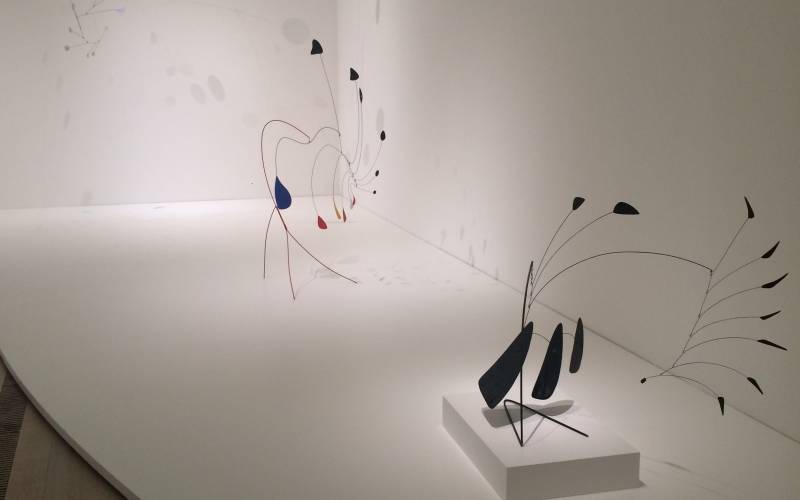
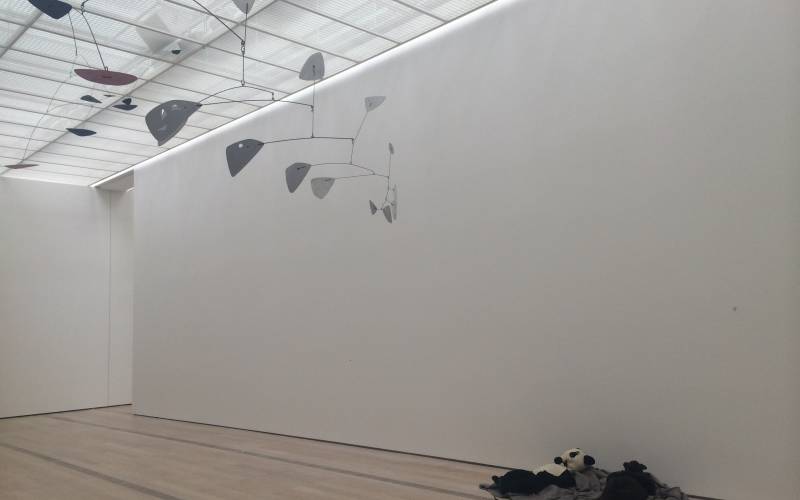
Calder and Fishli/Weiss: “balanced” matches at Beyeler Foundation.
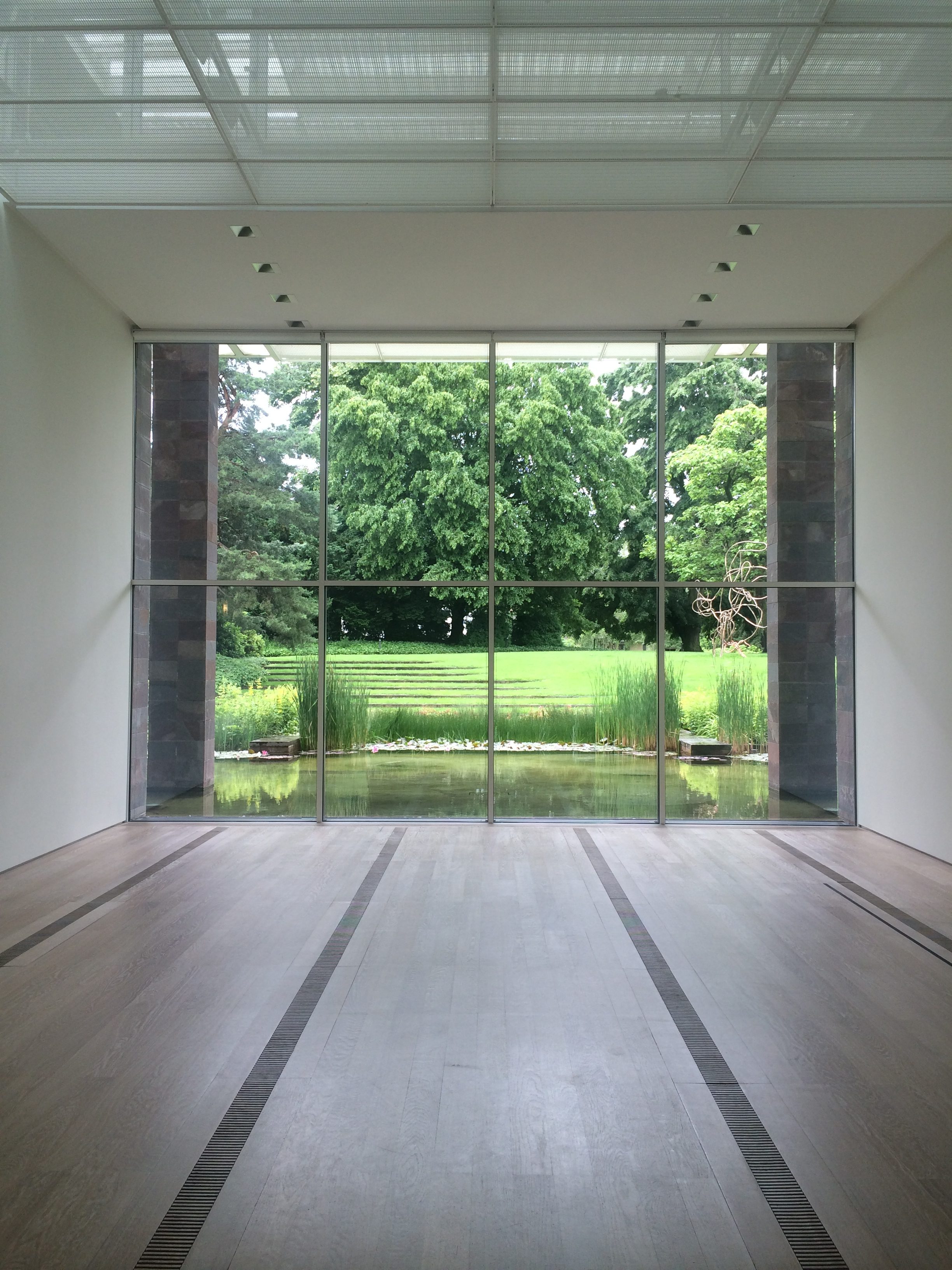
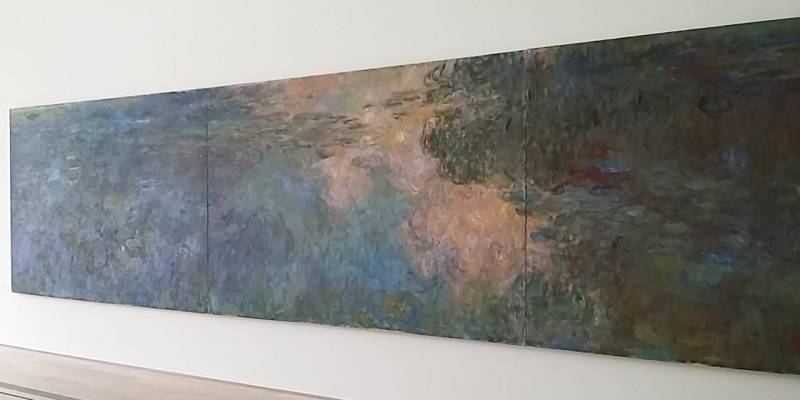
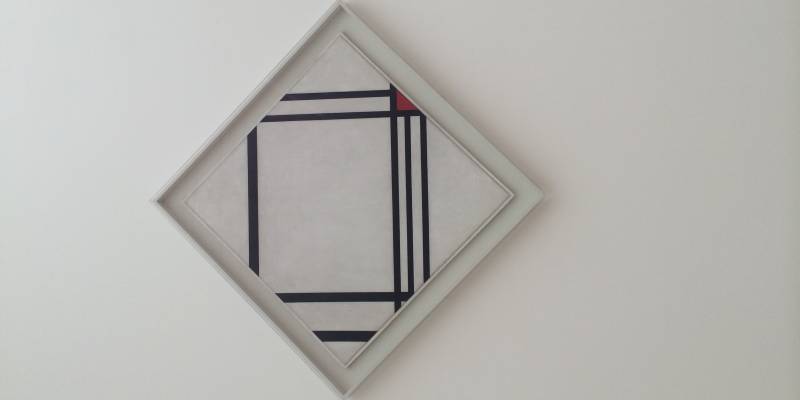
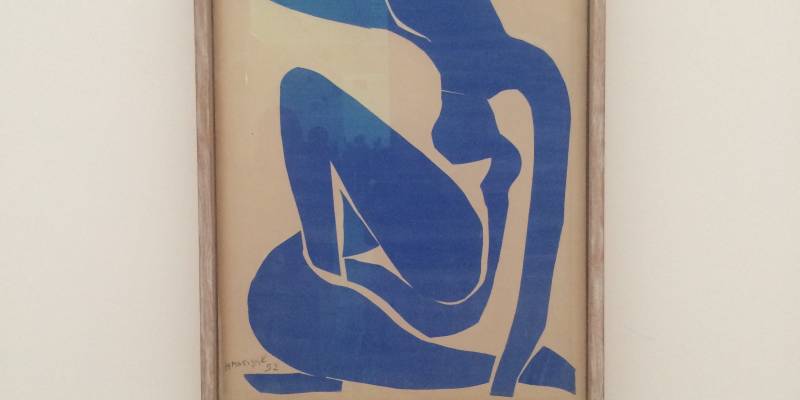
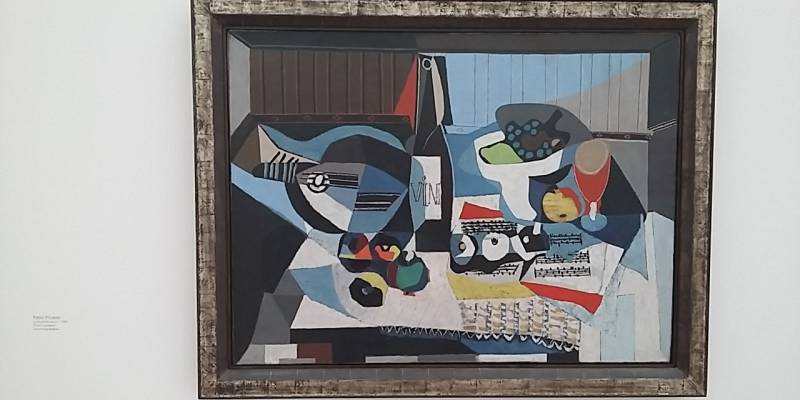
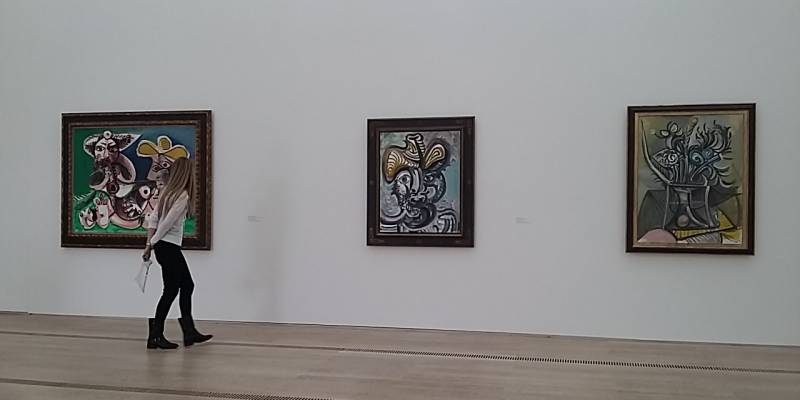
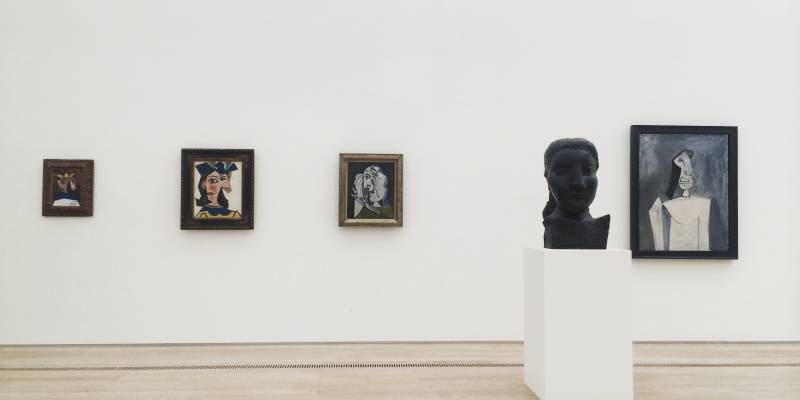
First stop, Beyeler Foundation, with its bright and welcoming spaces, designed by Renzo Piano. The permanent collection on display would be enough to make any modern art fan’s head spin: Klee, Arp, Léger, Bacon, Degas, Dubuffet, Matisse, Mirò, Mondrian, Giacometti. What’s more, a long-term loan of thirteen works by Anthax Collection Marx, alongside the masterpieces belonging to the foundation, will allow visitors to enjoy up to 14th August an entire, immense room dedicated to Pablo Picasso.
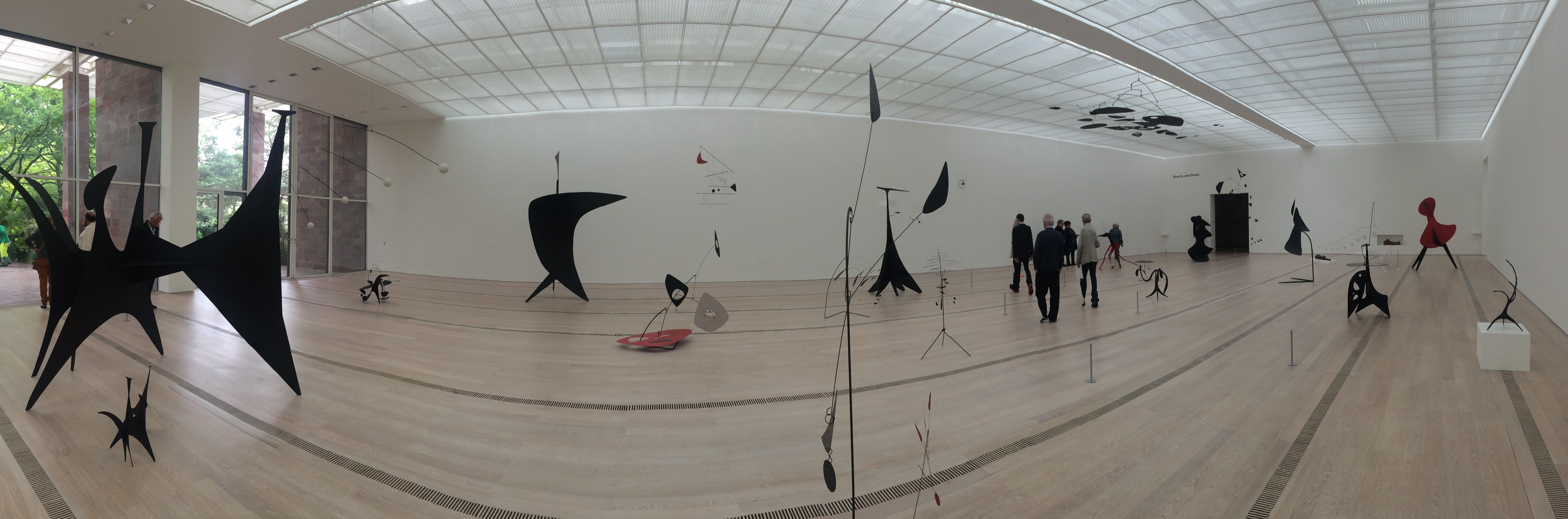
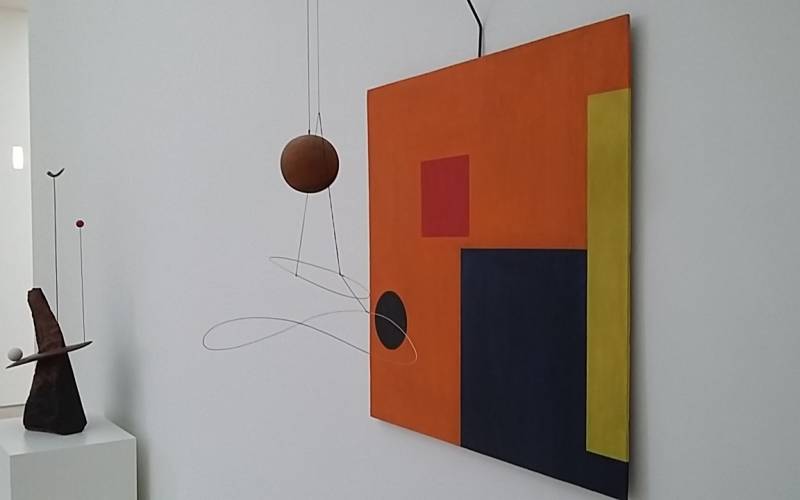
The temporary exhibition, taking place until September 4, focused on the relationship between Calder and the duo Fischli / Weiss, placing the works of the two artists on an ephemeral, precarious and fragile level: apparently distant works that – within the installation that brings them together and make them dialogue – become faces of the same coin, different perspectives on a common theme. The exhibition traces the work of Calder from the first experiences of the 20s, with the Calder Circus, until abstraction in the next decade and the invention of the “mobile” in the early 30s. The work of Fischli / Weiss, with their experimental soul, form the narrative counterpoint to the story of this evolution.
Jean Tinguely = movement.
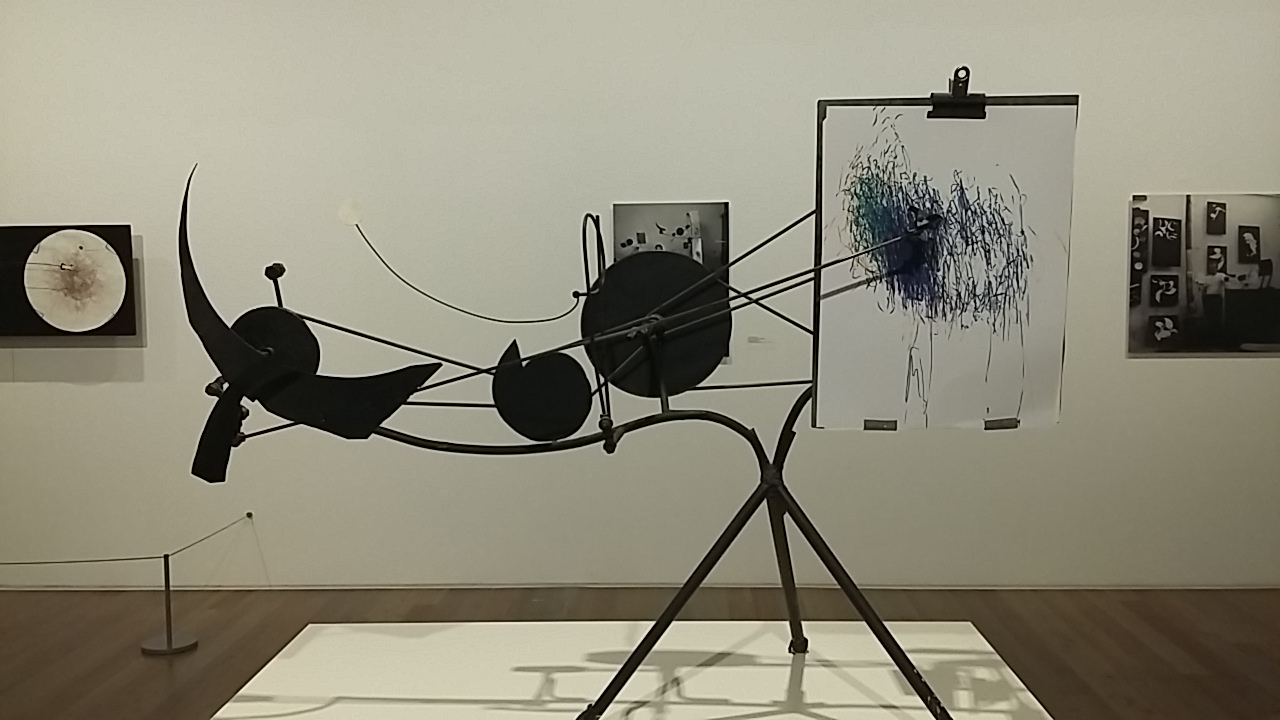
If the dynamism of Calder and Fischli / Weiss resides in balance – that, far from stagnation, is an opposition of contrasting movements that can cancel each other – every corner of Basel Tinguely Museum is instead pure moving. “The only stable thing is the movement, always and everywhere,” states in one of the many quotes by the Swiss artist that accompany the visitor to the permanent exhibition entrance.
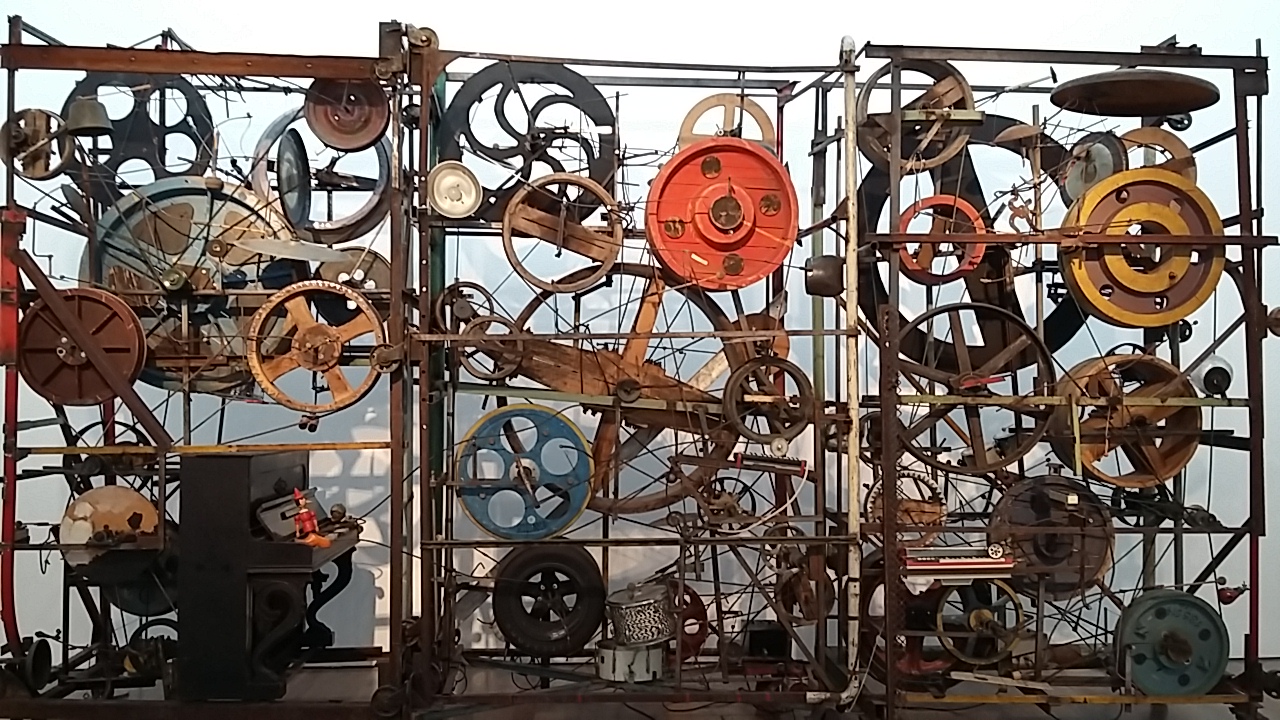
It is impossible not to get involved by the outlandish, absurd and at the same time brilliant machines realized by Jean Tinguely. Entering Tinguely Museum means stop being an adult and go back to childhood – in a dimension where the line between art and play becomes almost non-existent – and press buttons that transform piles of metal scraps into wonder in motion. We point out the huge Méta-Harmonie II, a gear “orchestra” that performs a cacophonous tinguelian score and Pit Stop, spectacular explosion of a Formula Uno’s car.
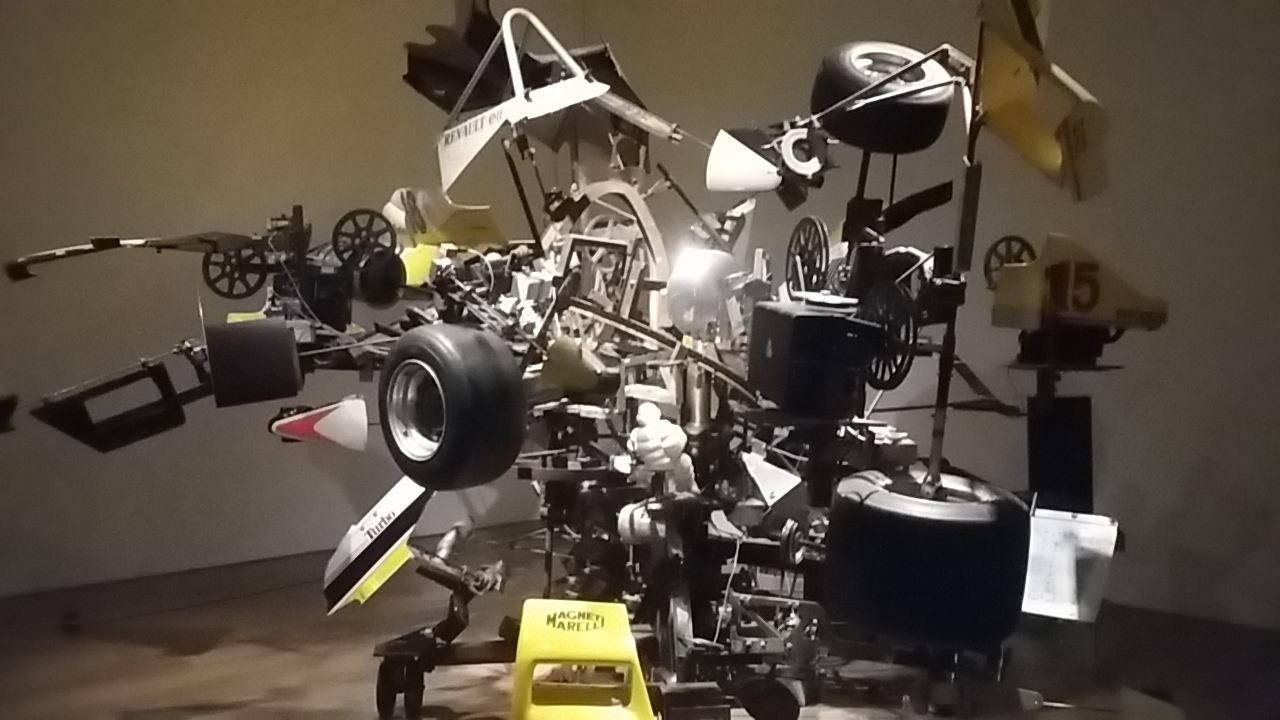
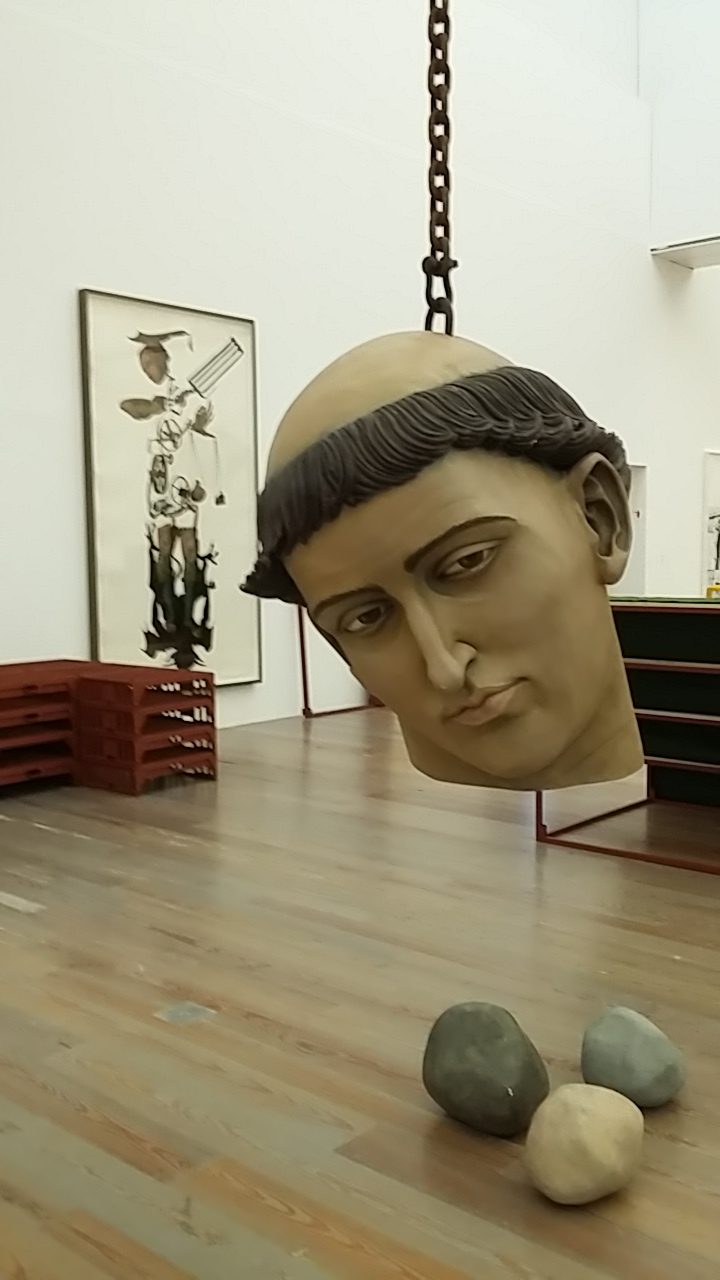
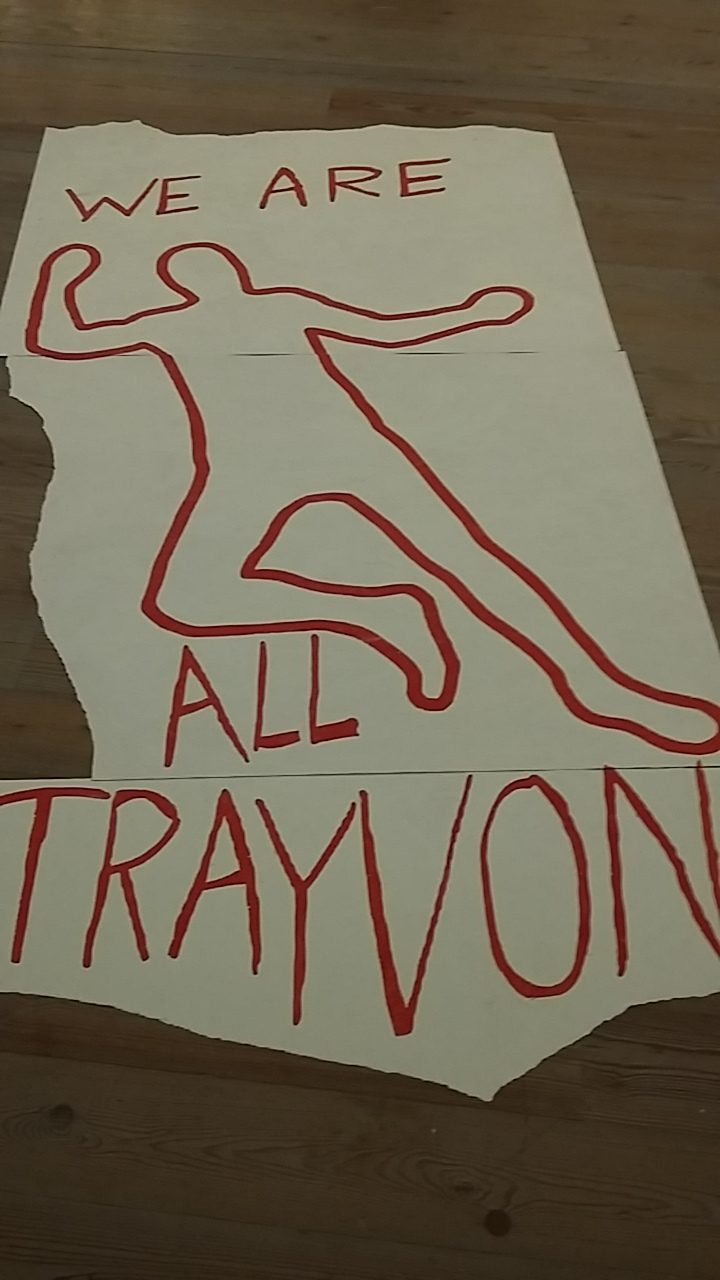
The temporary exhibition Michael Landy. Out of Order, completes our visit. British, born in London in 1963, Landy always considered Tinguely, since his beginning, as an artistic guide. The exhibition, on display until September 25, is a tribute to his entire artistic career. Monumental sculptures, human figures with whips, works on paper and other interactive works are presented within an environment as in an artistic amusement park. Most of the works presented make a clear reference to the British socio-political situation that Landy confronted in the course of his life, and the impact on human life of a society based on a purely consumerist model: Break Down made in 2001 and Credit Card Destroying Machine, realized in 2010 are the best examples of Landy’s artistic and cultural vision, in many ways not dissimilar to Jean Tinguely useless machines’ anti-productivism.
Sculpture evolution at Kunstmuseum.
Last stop of our artistic pilgrimage throughout Basel is the Kunstmuseum, the main city museum that includes three recently renovated buildings: the Main Building, the New Building and the Gegenwart.
The impressive permanent collection of the Kunstmuseum allows in a few plans to make an almost complete overview of art from the Seventeenth century to the present days: from Fussli to Bocklin, from Hodler to Segantini, through Gauguin, Rodin, Pissarro, Monet up to Picasso, Chagall, Léger, and the Blaue Reiter Group. A kind of crash art history course through the halls of the Main Building.
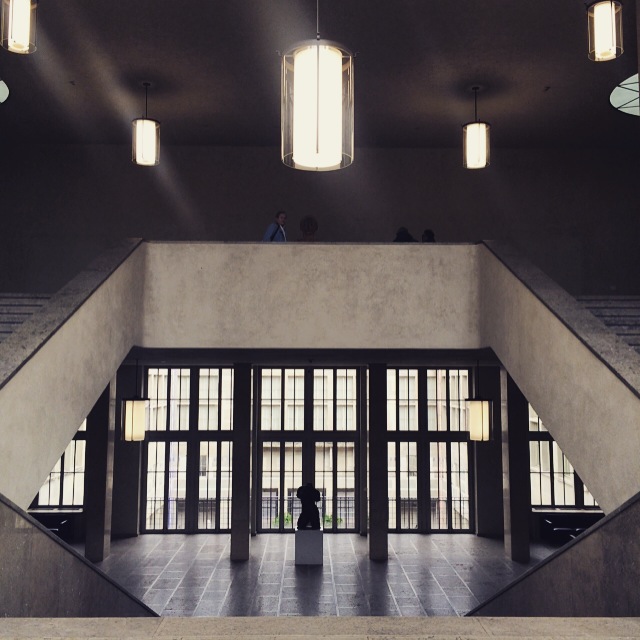
During Basel art week, the Kunstmuseum proposes temporary exhibitions including “Sculpture on the Move 1946 – 2016”. On display until September 18 was created with the aim of tracing the evolution of sculpture, as a means of artistic expression, from the postwar period to the present.
Divided into three parts, the exhibition begins on the second floor of the New Building. Here, according to a basically chronological order, the works date until the seventies. What emerges with clarity – starting from the masterpieces of Brancusi, Giacometti, Calder, Moore to get the works of Kelly, Merz, Beuys, Nauman and Eva Hesse – is the evolution of sculpture, detaching from the classical notion of compact and figurative artifact, with a first introduction of the everyday object, to finally break the mould with the transition to the next decade.
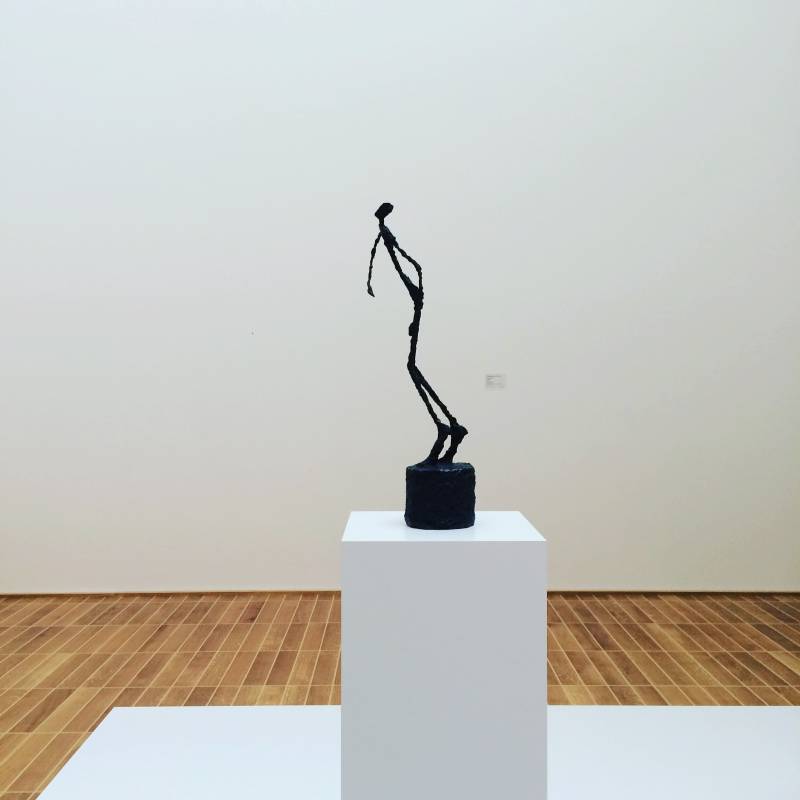
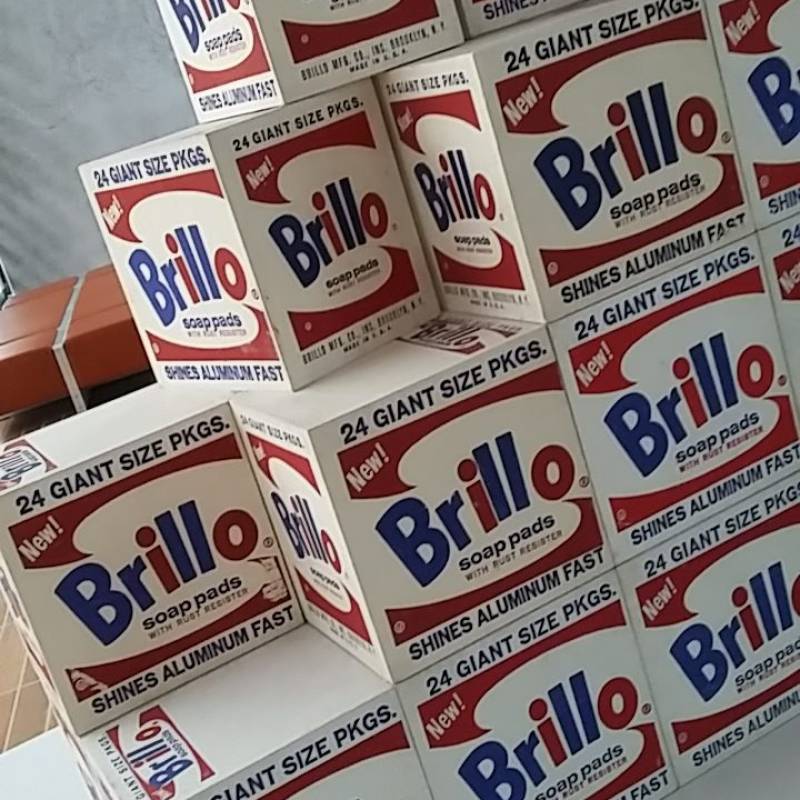
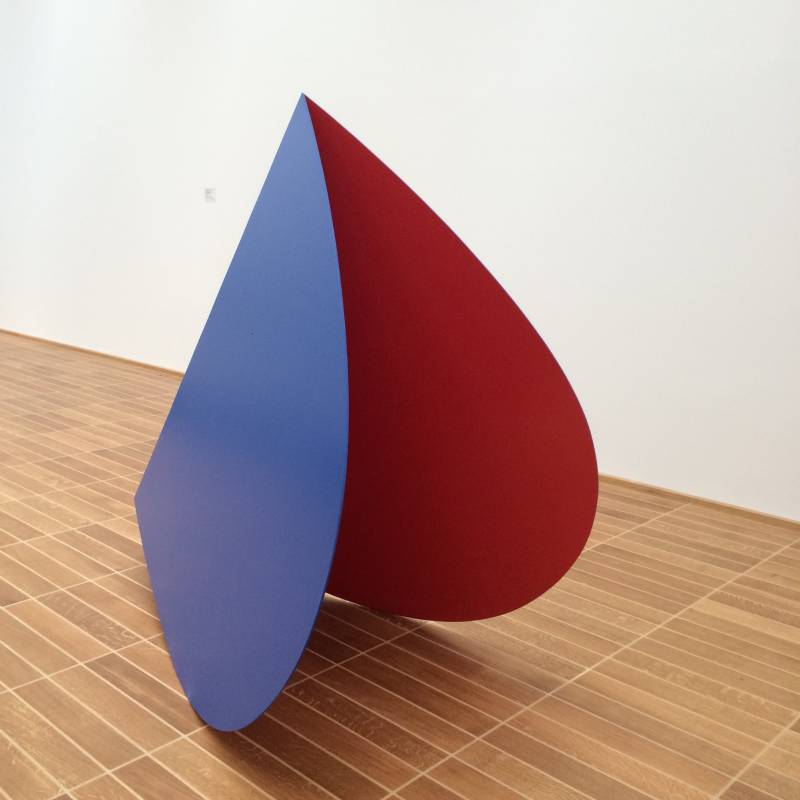
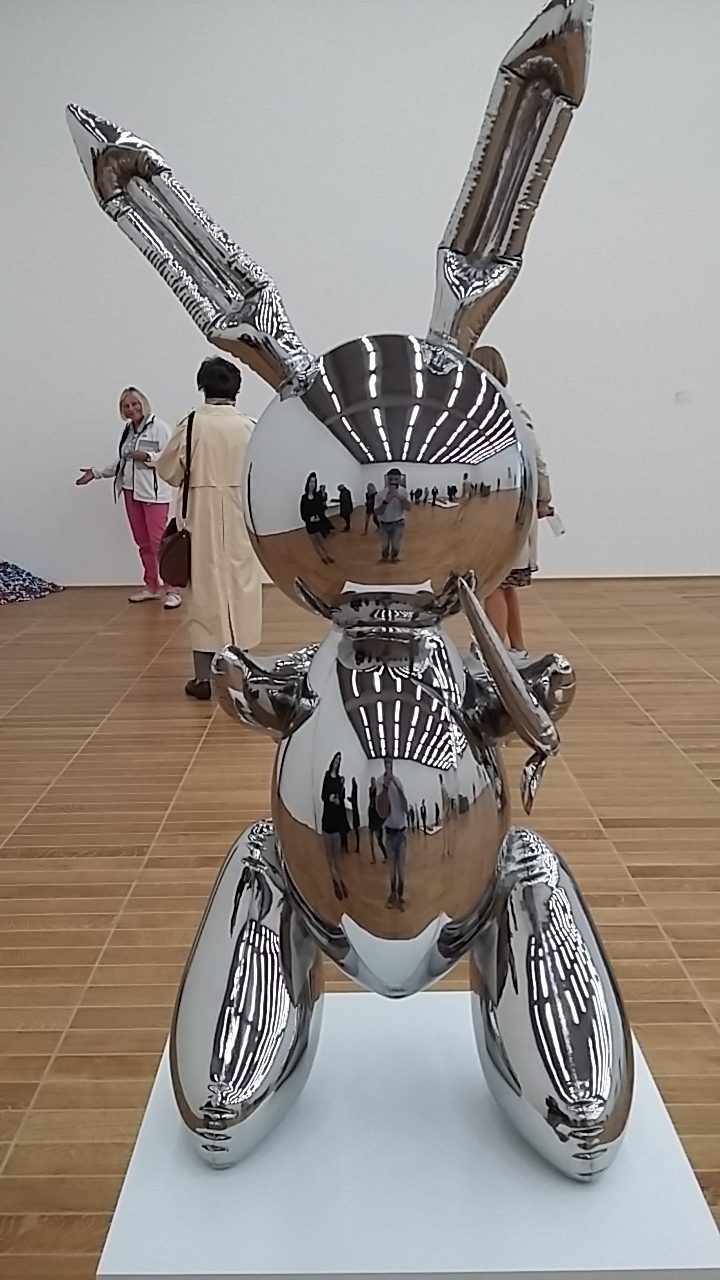
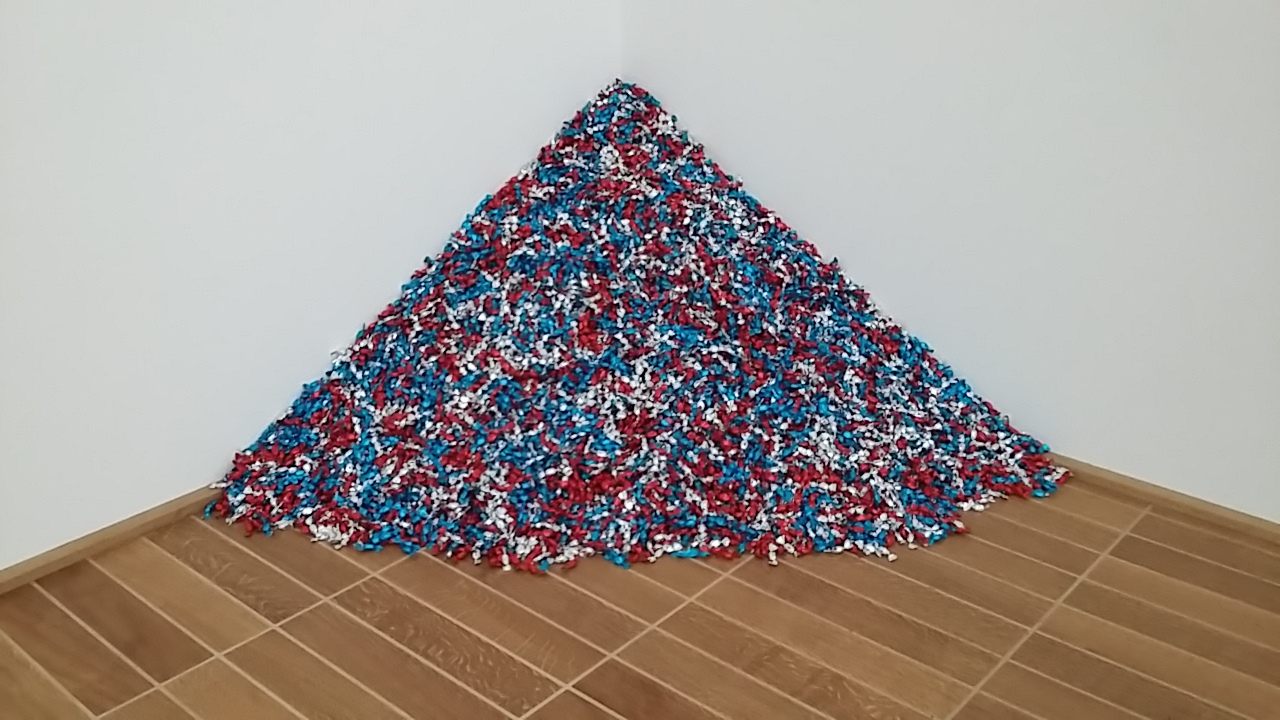
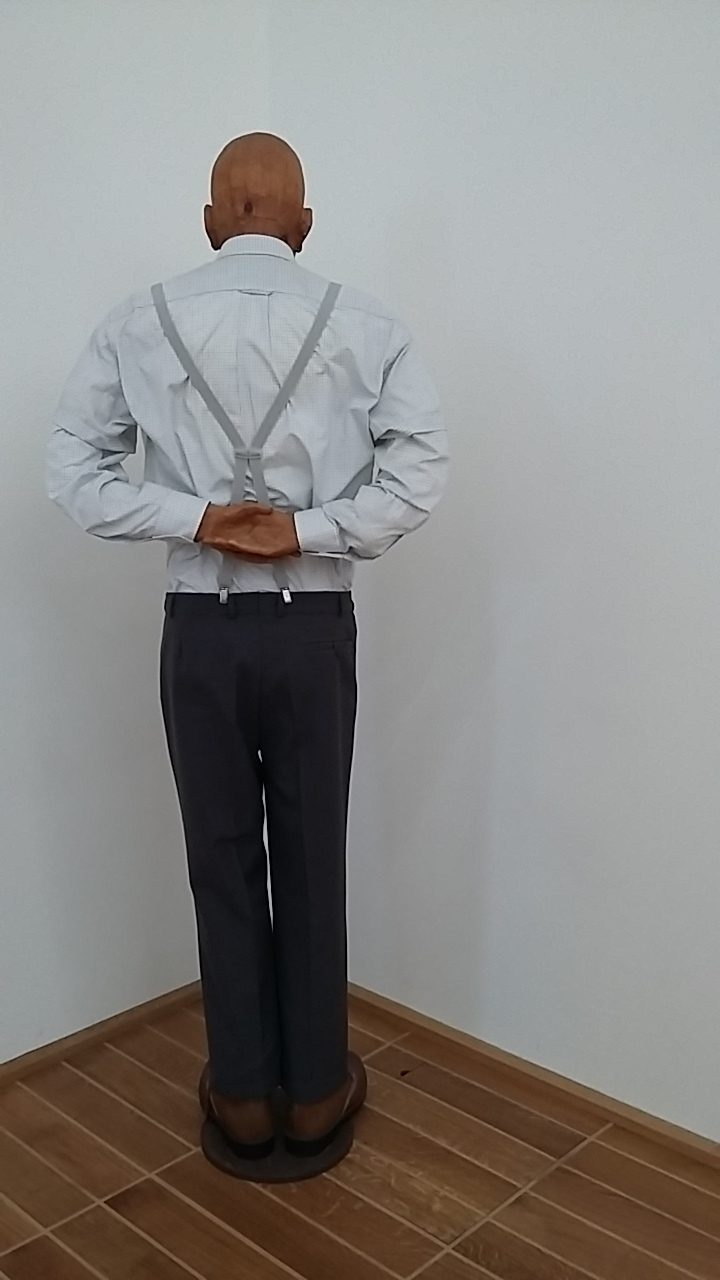
The exhibition continues on the ground floor where the works of the 1980-1990 decade are hosted: Felix Gonzalez-Torres, Jeff Kons, Isa Genzken, Martin Kippenberger, Fishli / Weiss and many others tell us about the desire for a return to the figurative tradition and its revisiting. In Gegenwart it is possible to visit the third and final part of the exhibition that sums us what sculpture is today in contemporary art, with works by Cattelan, Orozco, Sosnowska and others.