Welcome to Art Basel 2016
News and booths that should not be missed, selected for you by Artrust team
Open today to the public, the 47th edition of Art Basel, with 287 galleries presented from 33 states of origin and almost 4000 artists represented.
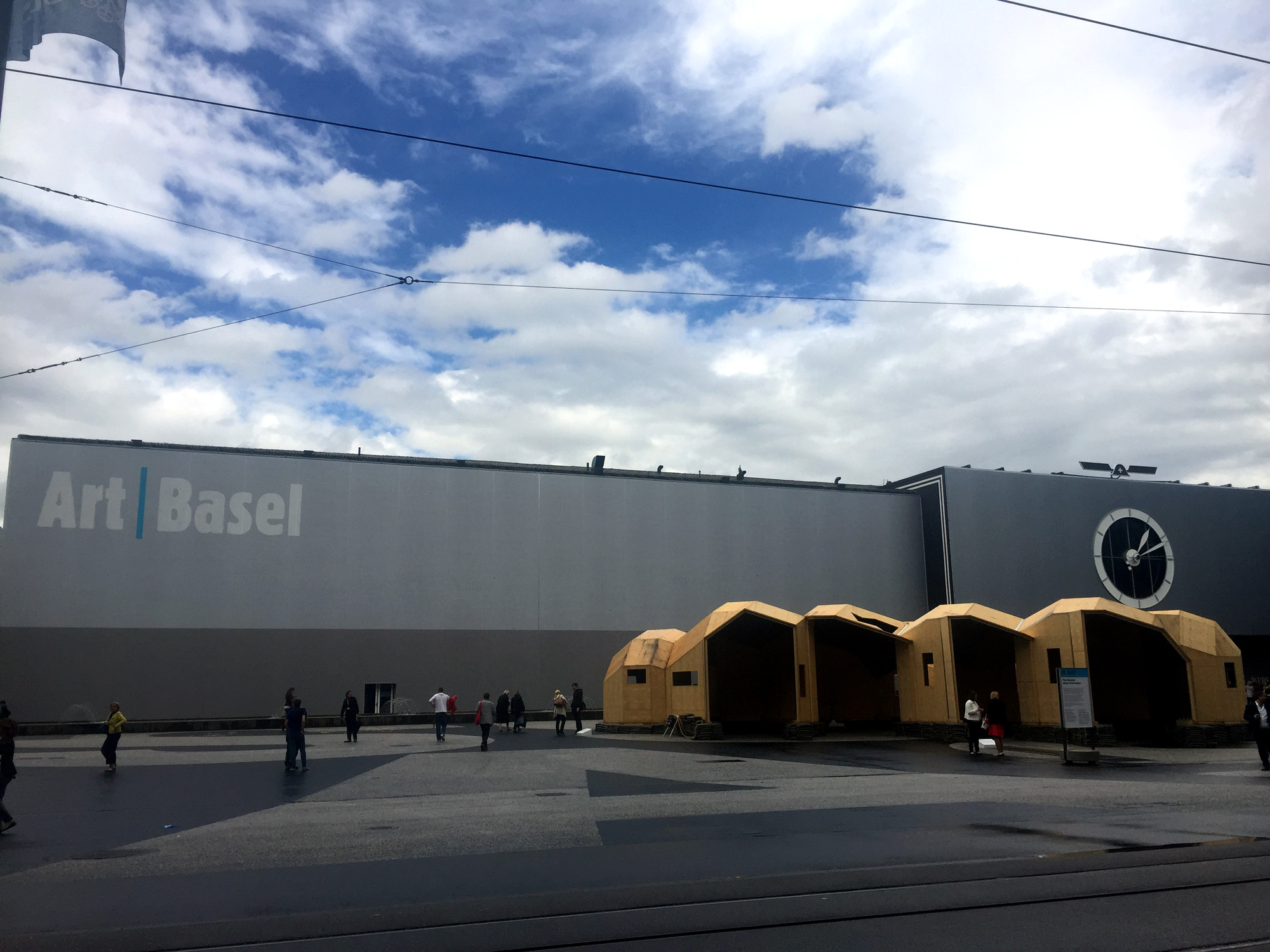
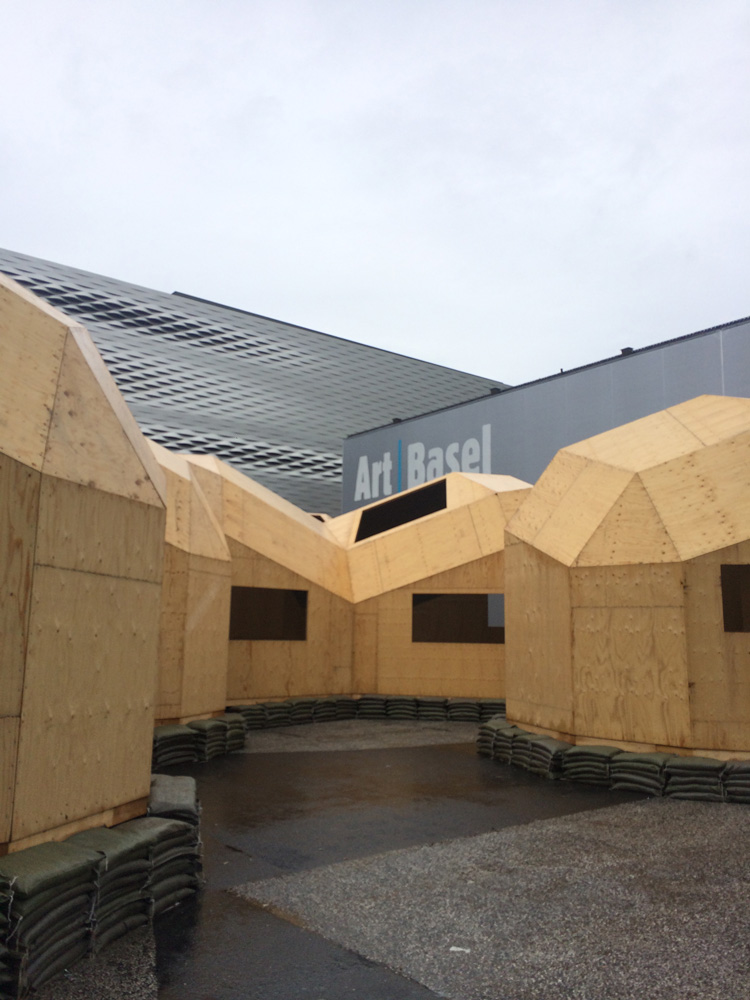
As usual, Messeplatz welcomes visitors with an installation: this is the year of Oscar Tuazon’s “Zome Alloy”, a contemporary adaptation of Zome House (1972) by Steve Baer, inventor, engineer and visionary architect. Pity for the rain, which perhaps has prevented the first shivering visitors to make a stop in the square outside the pavilions and enjoy the installation.
The fair counted 98,000 visitors last year, including collectors, enthusiasts and professionals: this year, judging by the enthusiasm of the first appearances and the already completed sales during the days dedicated to first choice and VIP, Art Basel will certainly achieved the usual success.
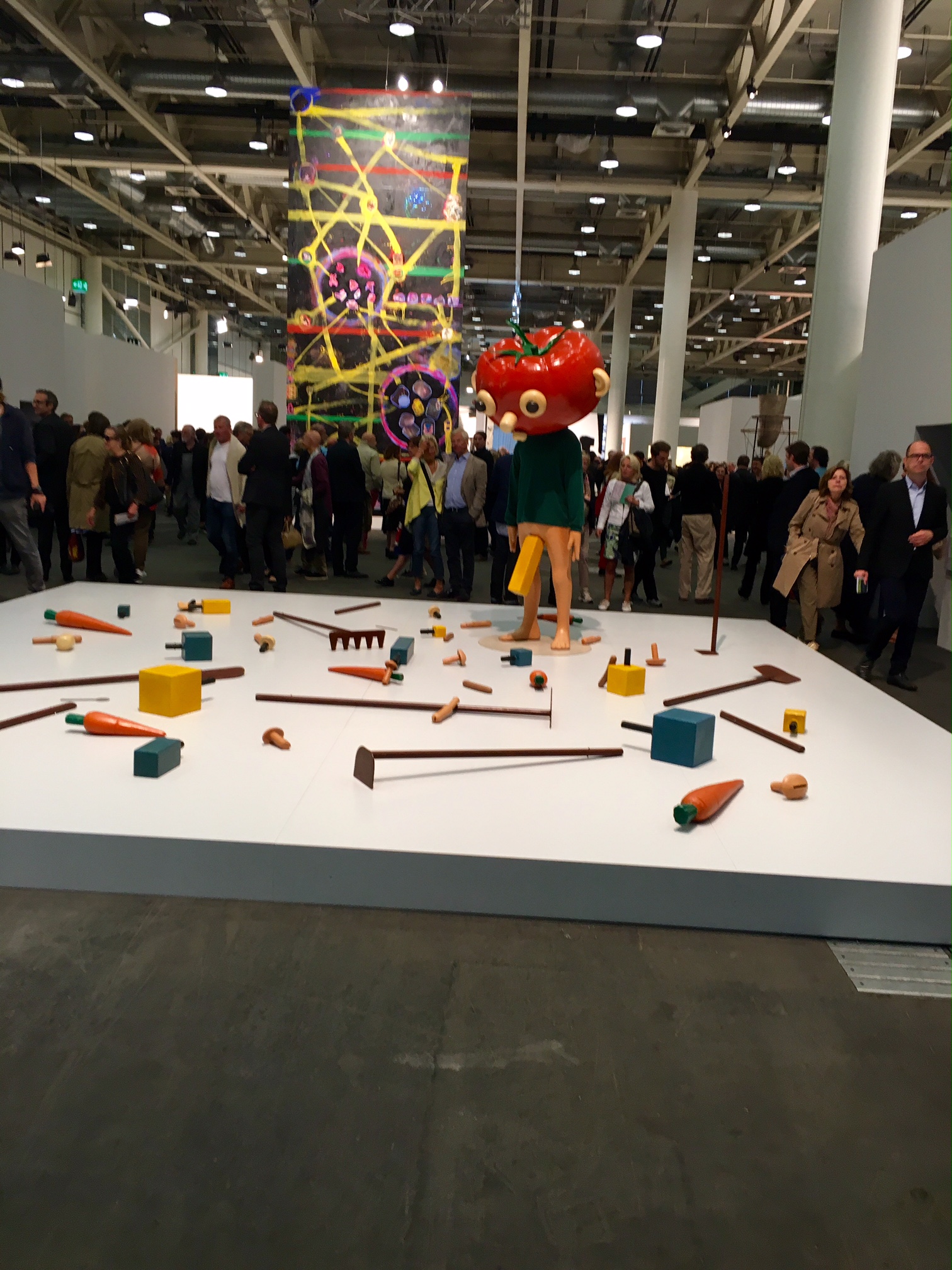
According to first information, transactions start positively: Hauser & Wirth sold the work of the Unlimited section’ s Tomato Head for $ 4’750’000, Dominique Lèvy started the sales with Manzoni (Achrome, 1958-59) for almost $ 7 million and Frank Stella (Slieve More, 1964) for $ 5.9 million. Also the Swiss art have started positively: Galerie Thomas sold a watercolor by Emil Nolde for $ 250,000.
Not only sales make Art Basel the most acclaimed art fair in the world, but also everything that revolves around the event. In line with the previous editions, this year the fair is divided into eight sectors: Galleries, Feature, Statement, Edition, Unlimited, Parcours, Film and Magazines. We have visited the show premiered and here we advise you the booths that are not to be missed, the must-see artworks and galleries that, in our opinion, deserve a thorough visit.
HALL 2.0
At the first floor is, as usual tradition, where top galleries and the most popular dealers in the industry are hosted: the contemporaneity, which reigned supreme in the latest editions allows for a more traditional and modern art’s climate. In general, we actually breathe a different atmosphere from previous years, the historical moment influence the artistic production and the preferences of the collectors, moving towards what is of more reassurance: big names.
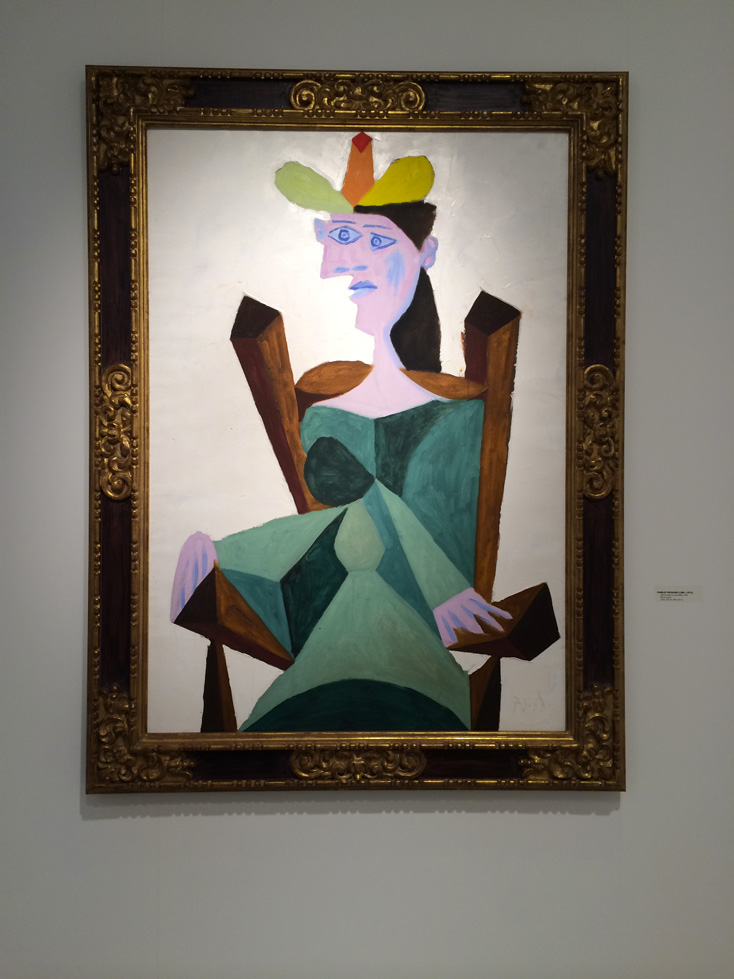
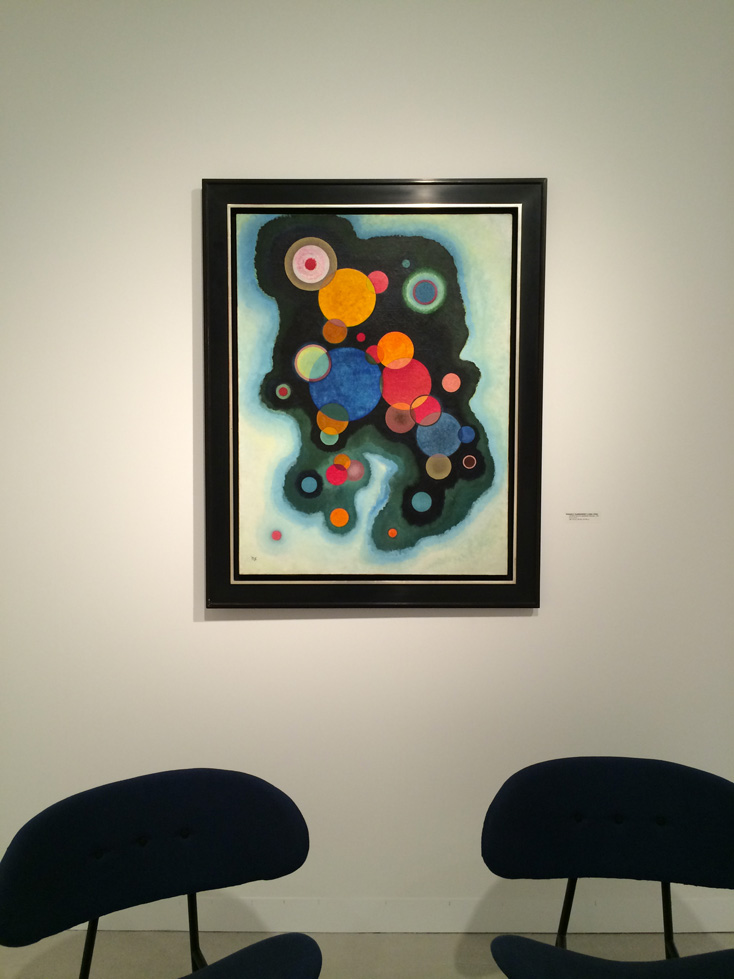
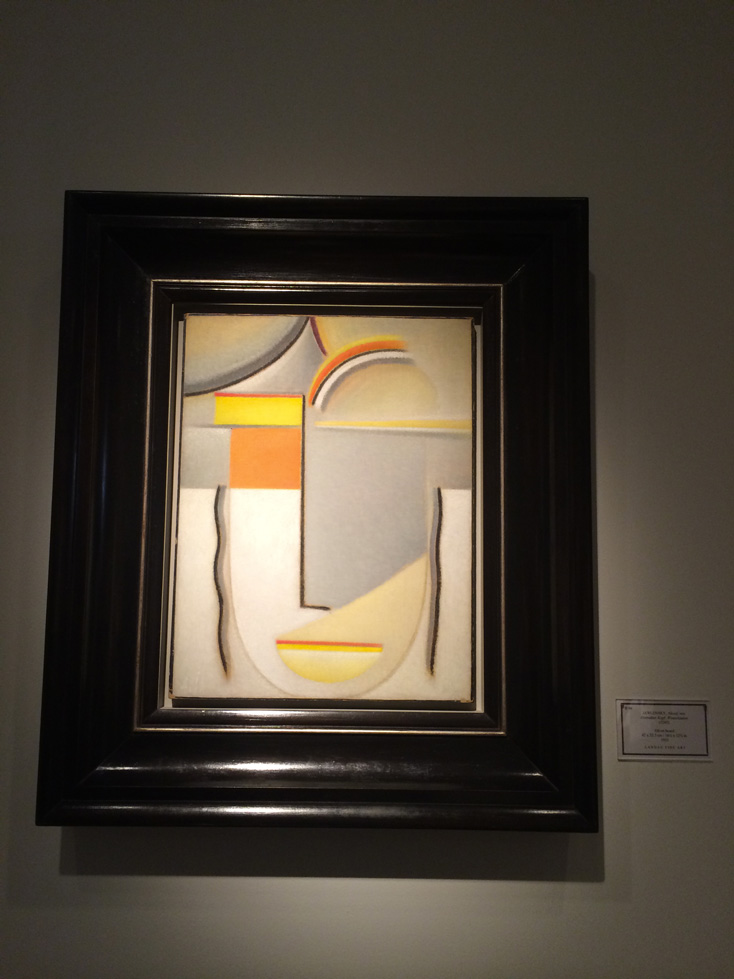
We open our selection with Helly Nahmad, who returns to the exhibition in great style: the booth welcomes in the left wing of the pavilion, just right in between the stand of Beyeler (dedicated to the opening exhibition in September on Kandinsky, Marc & der Blaue Reiter) and that of Dominque Lèvy. The atmosphere is relaxed with the predominant contrast of black / white, with massive works of the caliber of Fontana, Calder, Arp, Picasso, Burri and Kandinsky.
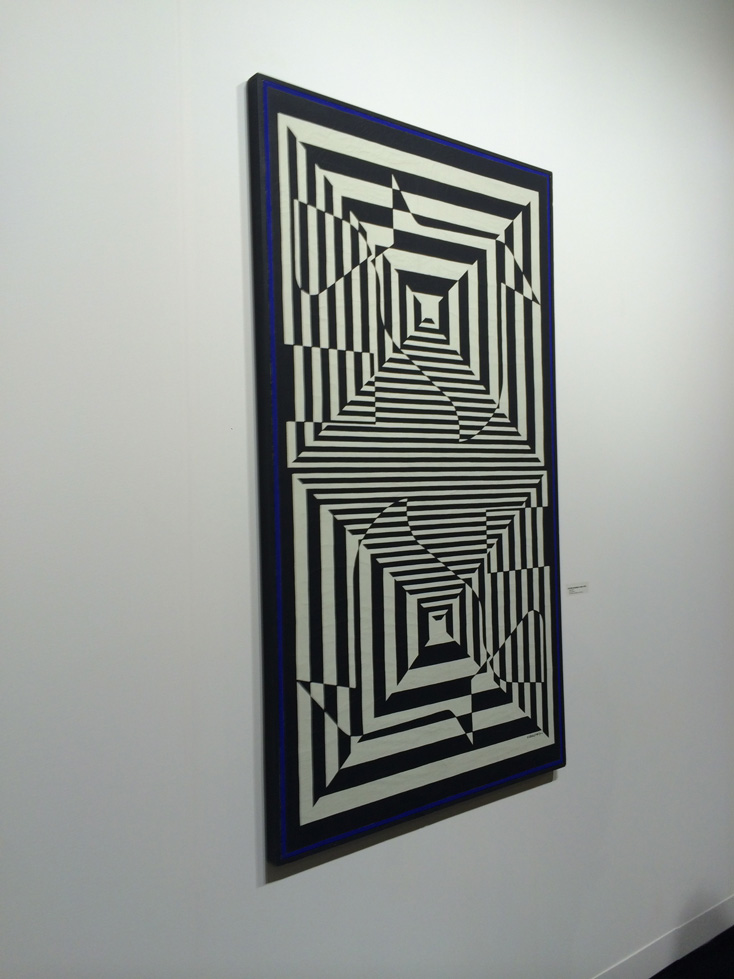
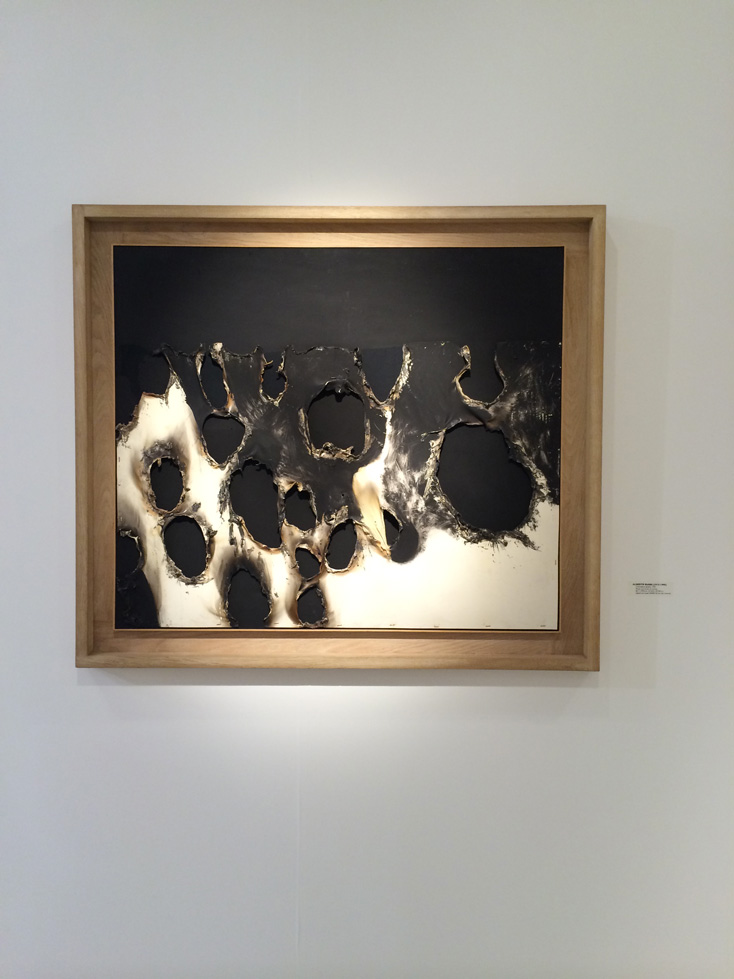
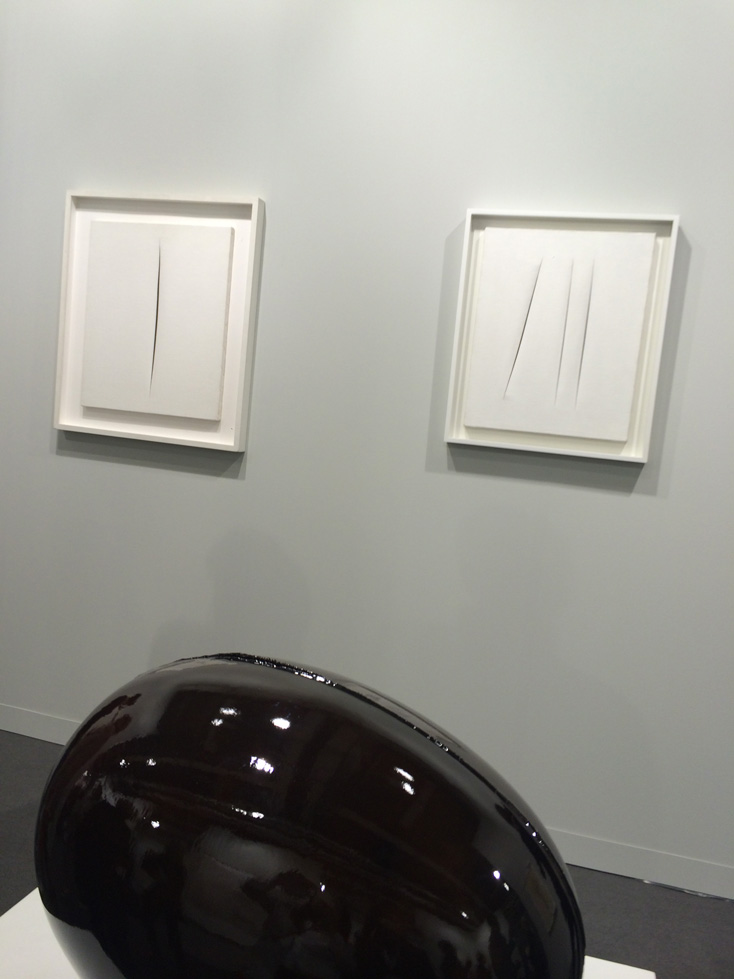
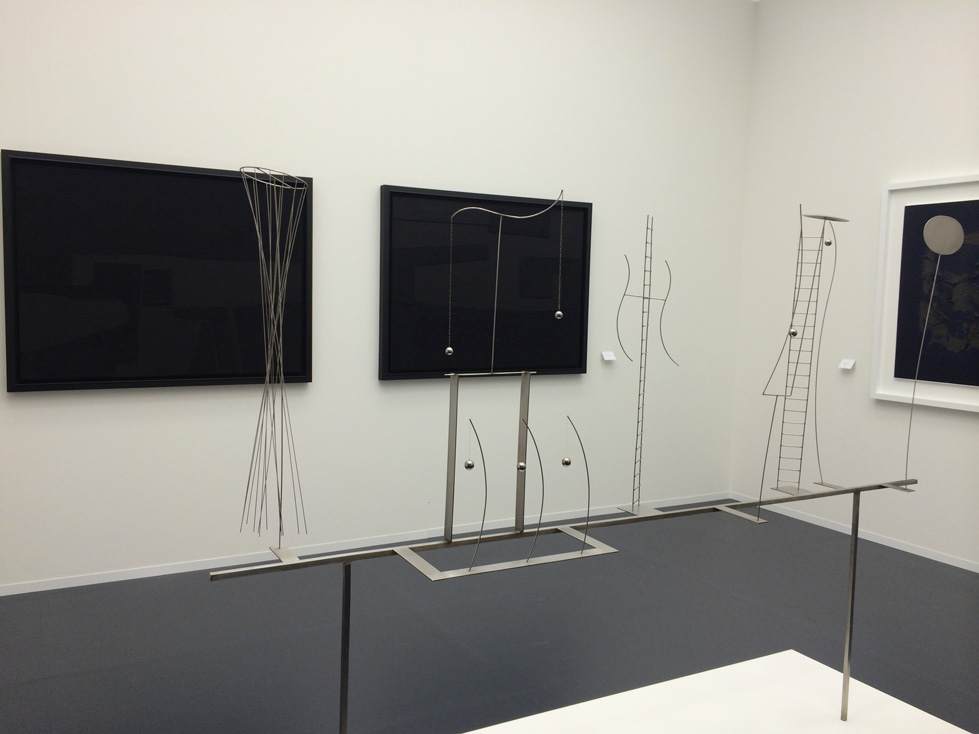
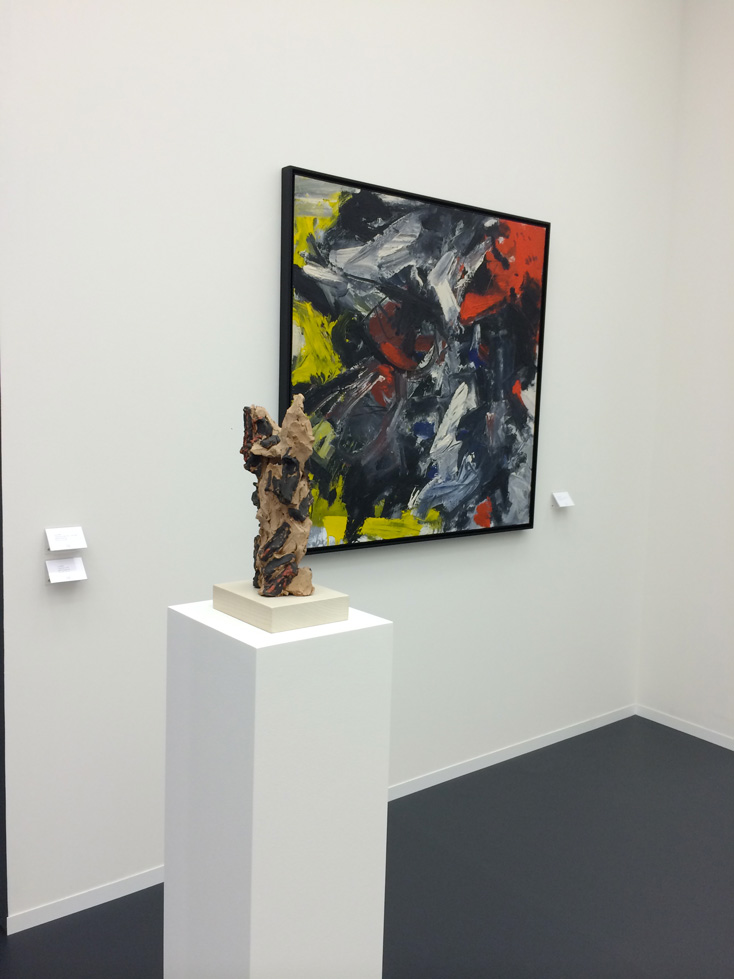
Also Galleria Tega is playing with black and white, presenting to the public with a wall dedicated to Fontana and a corner dedicated to Paolini’s Mimesi. Among the Italian, Galleria dello Scudo of Verona has remained true to the style and the choice of works: abstract and colorful works by Afro and Vedova on dialogue with Leoncillo’s sculptures, as well as the work by Melotti that stands at the center of the space between the dominant black of the material works by Burri, Fontana and the white work by Manzoni.
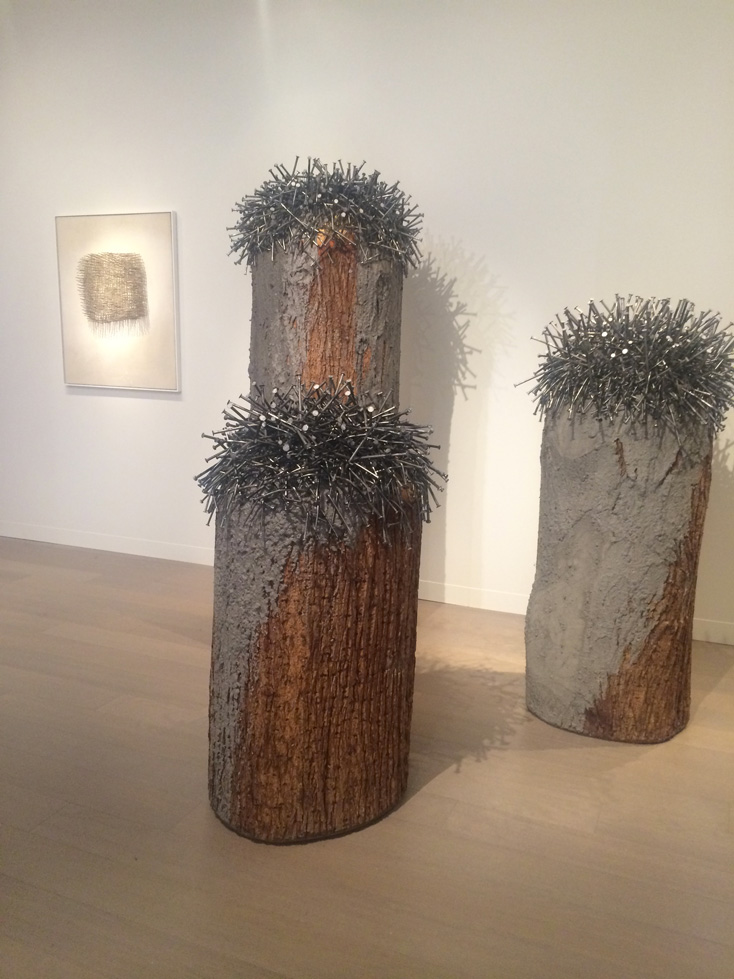
Dominque Lévy still confirmed herself as the queen of the dealers: relaxed and smiling, she welcomes the public and discusses with collectors. The booth is an heterogeneous mix of elegant works, presented in different dimension, colors and themes: Günther Uecker with his spiked trees, Calder/Fontana, Burri/Castellani and Chamberlain/Stella. In solitary, a Klein that surprises us with the use of unconventional color: pink.
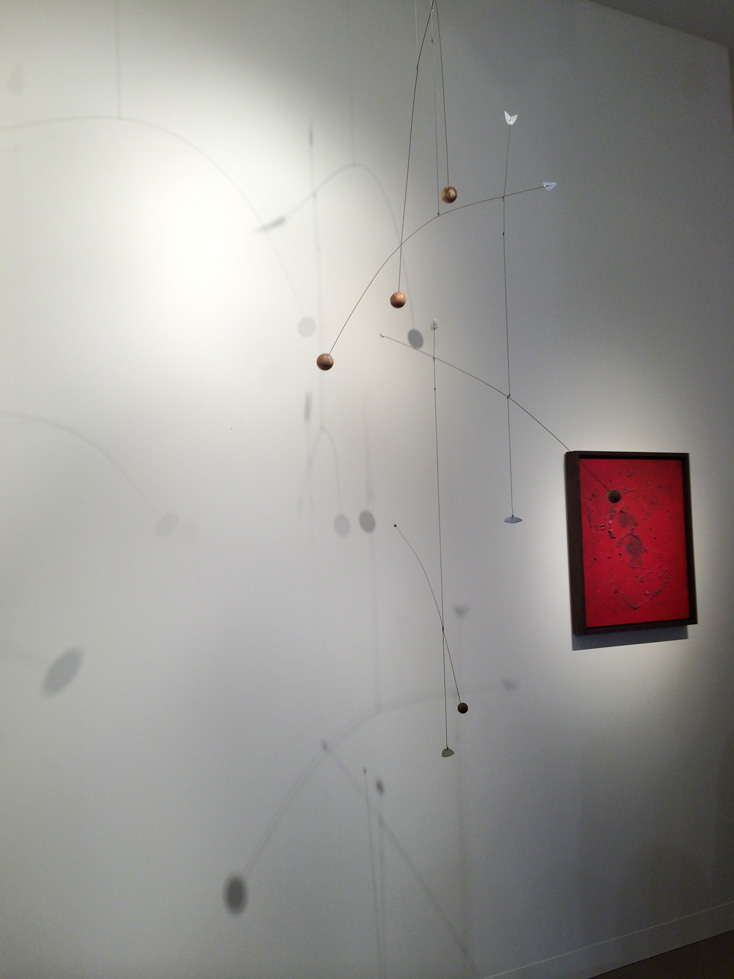
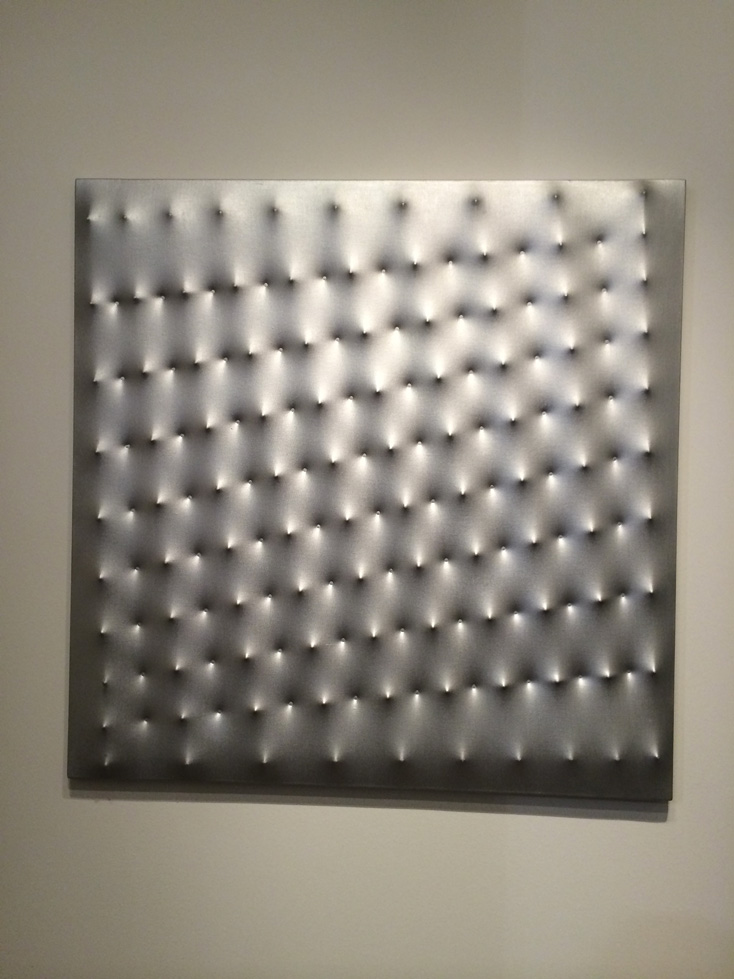
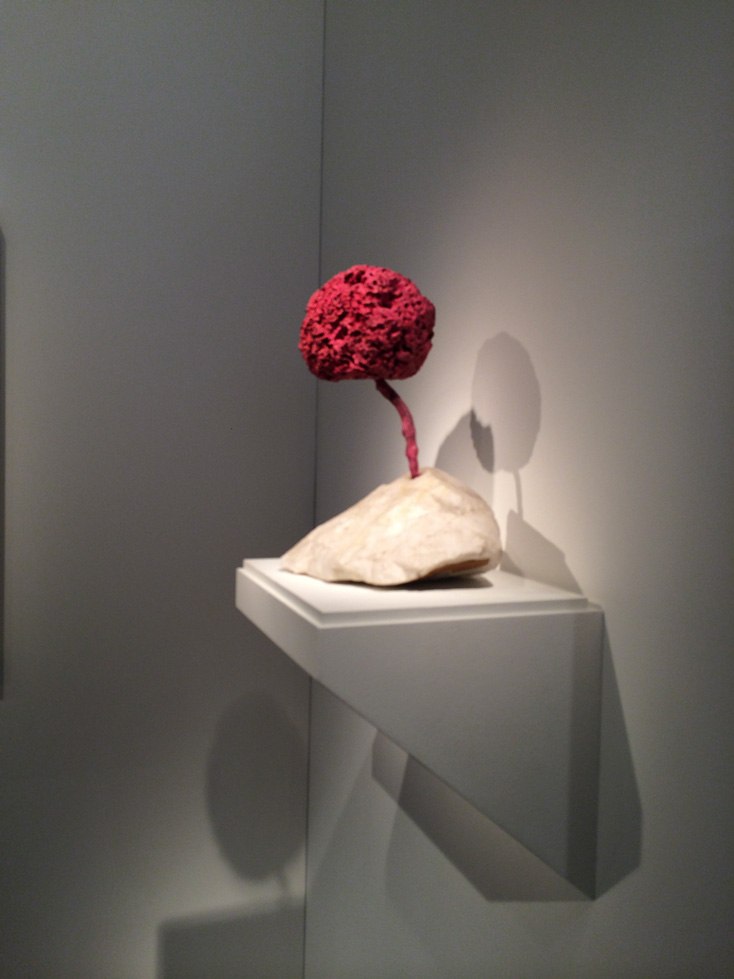
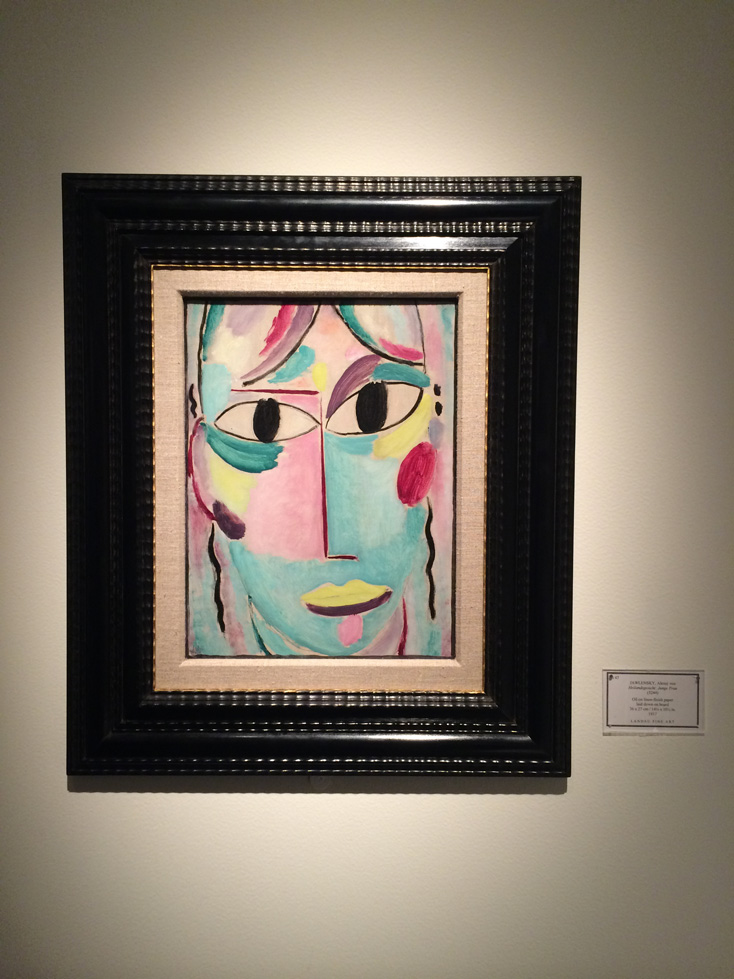
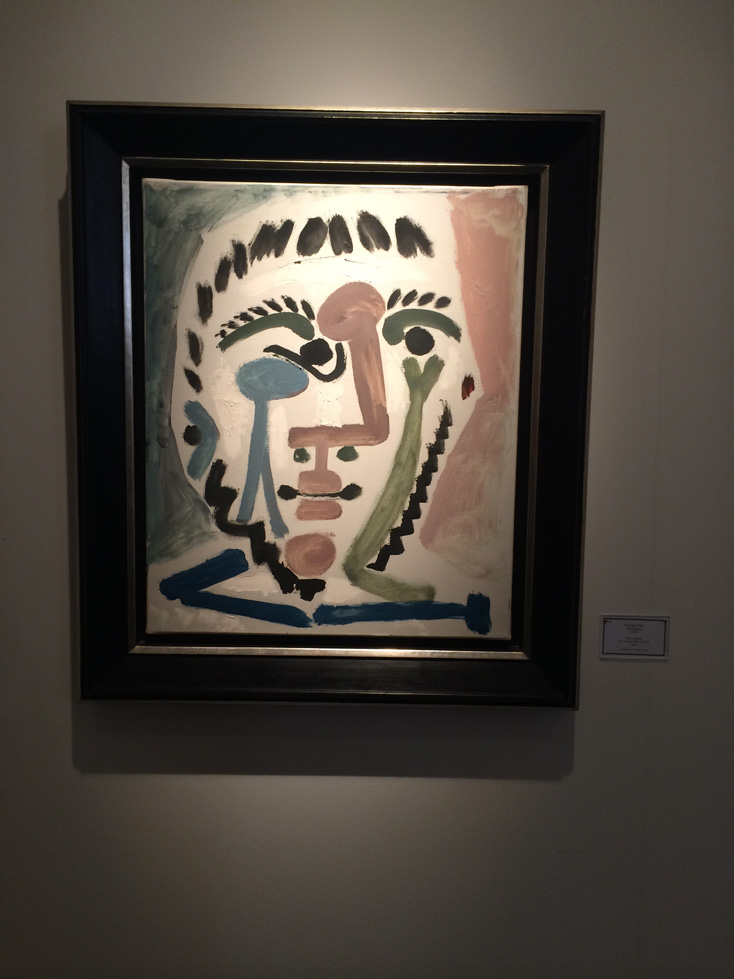
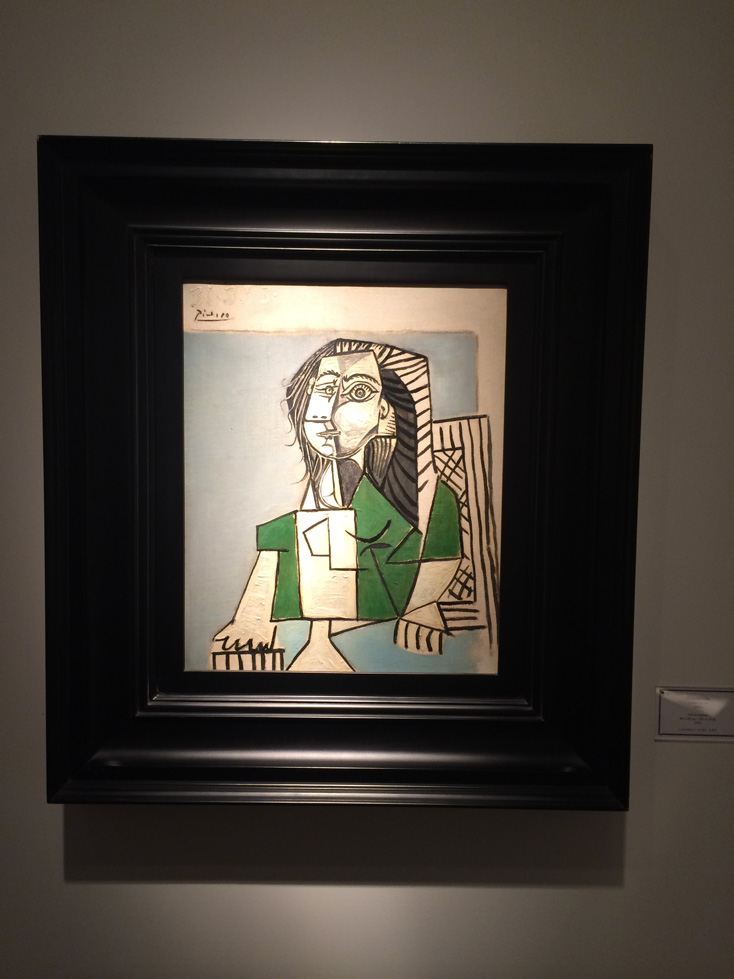
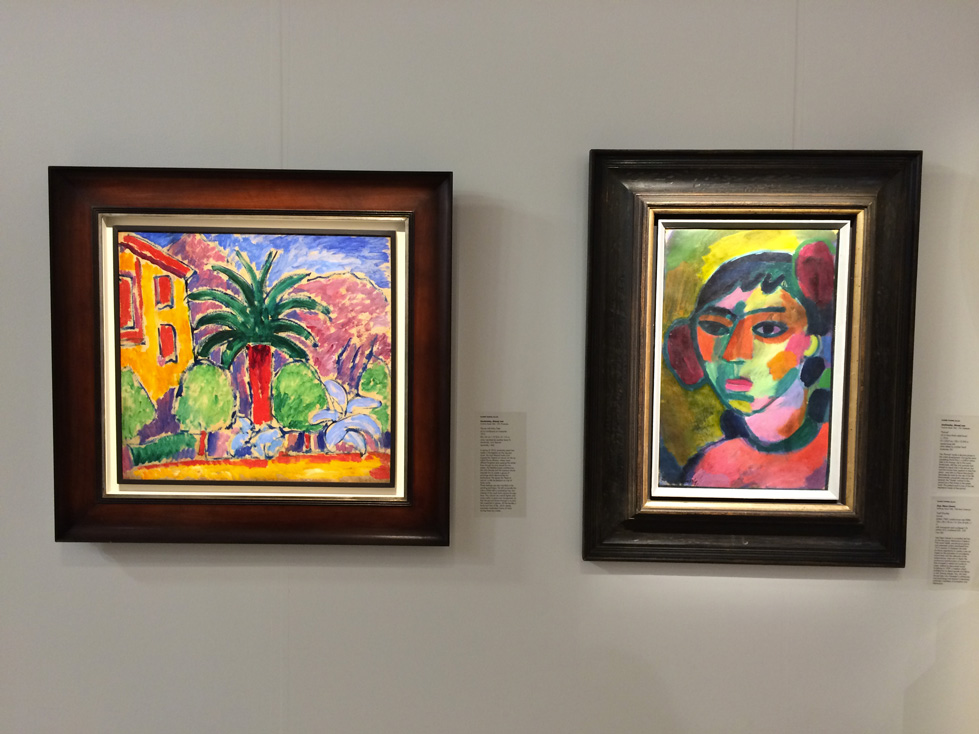
No exceptions with Landau, which has the usual selection of masterpieces. A corner is dedicated only to Dubuffet, a tribute to the recently concluded exhibition at Beyeler. An interesting decision, they paired Jawlensky with Picasso by letting their portraits painting communicating with each other.
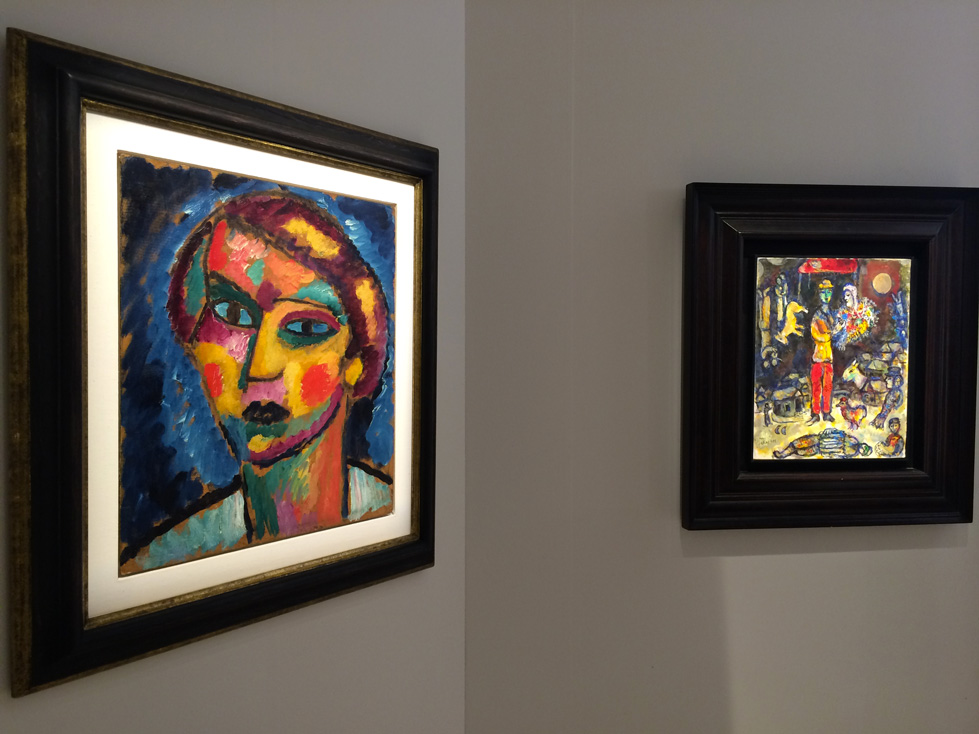
Similarly, Galerie Thomas specializing in German Expressionism: here Jawlensky is paired with Chagall, an unexpected but successful combination.
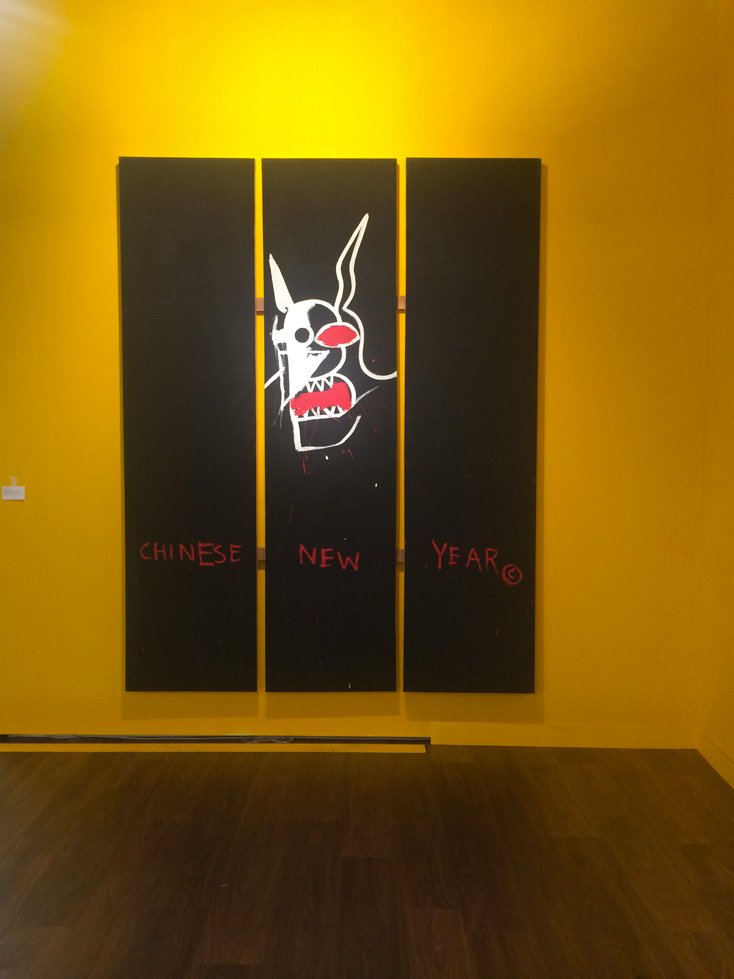
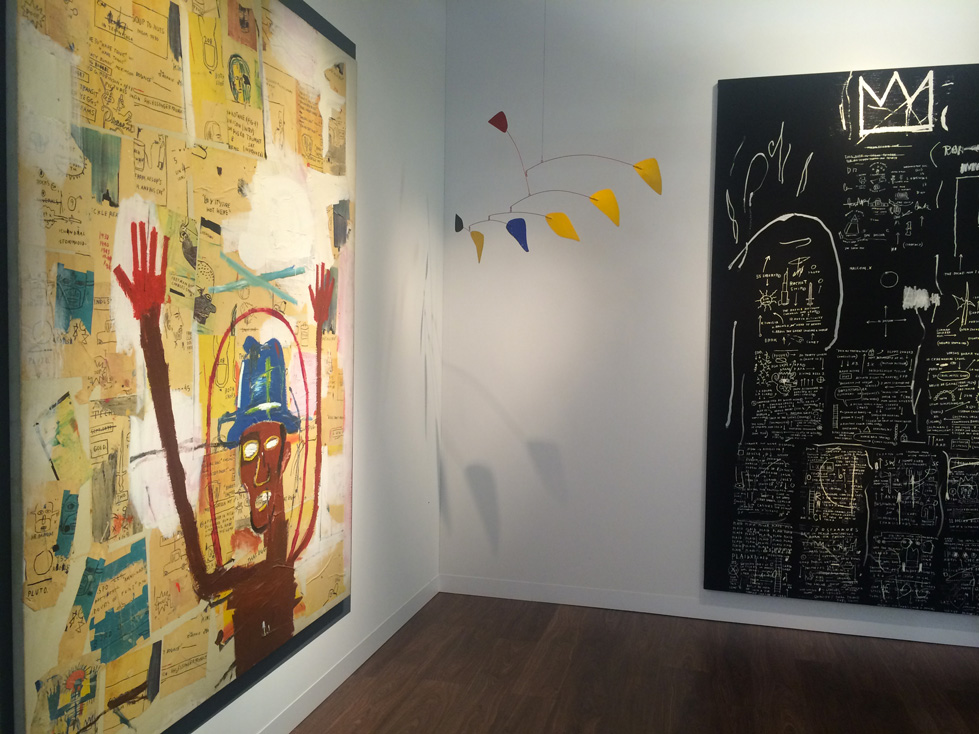
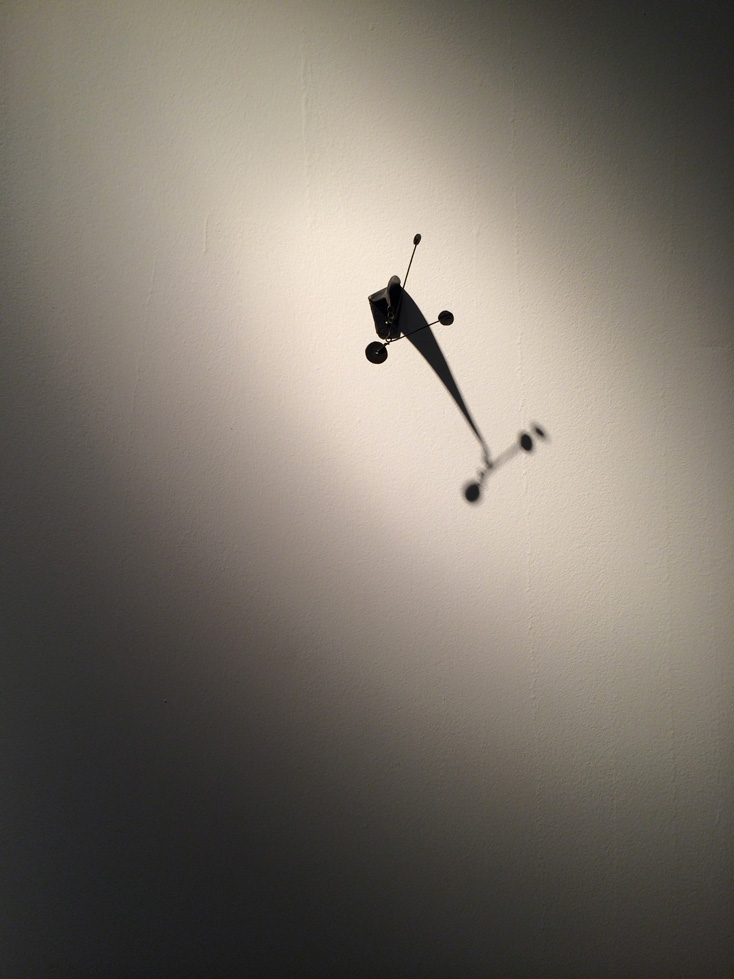
Basquiat is certainly much less inflated than the previous editions: only at Van de Weghe is being offered in three different large-format works. In miniature, Calder and Moore, just as powerful, are positioned at the center of the booth.
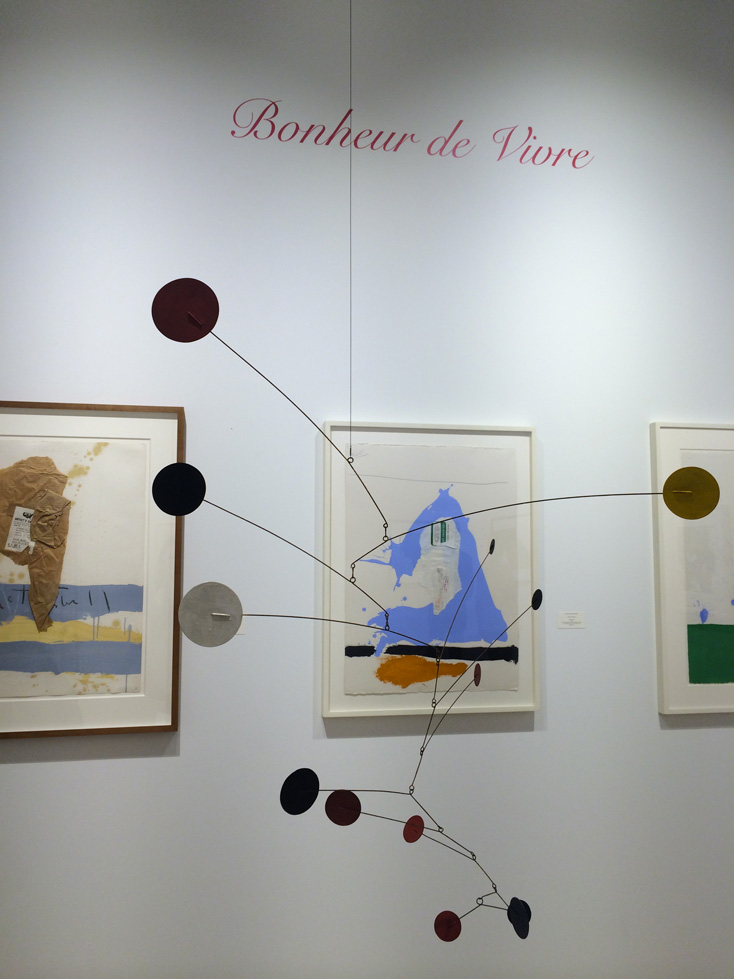
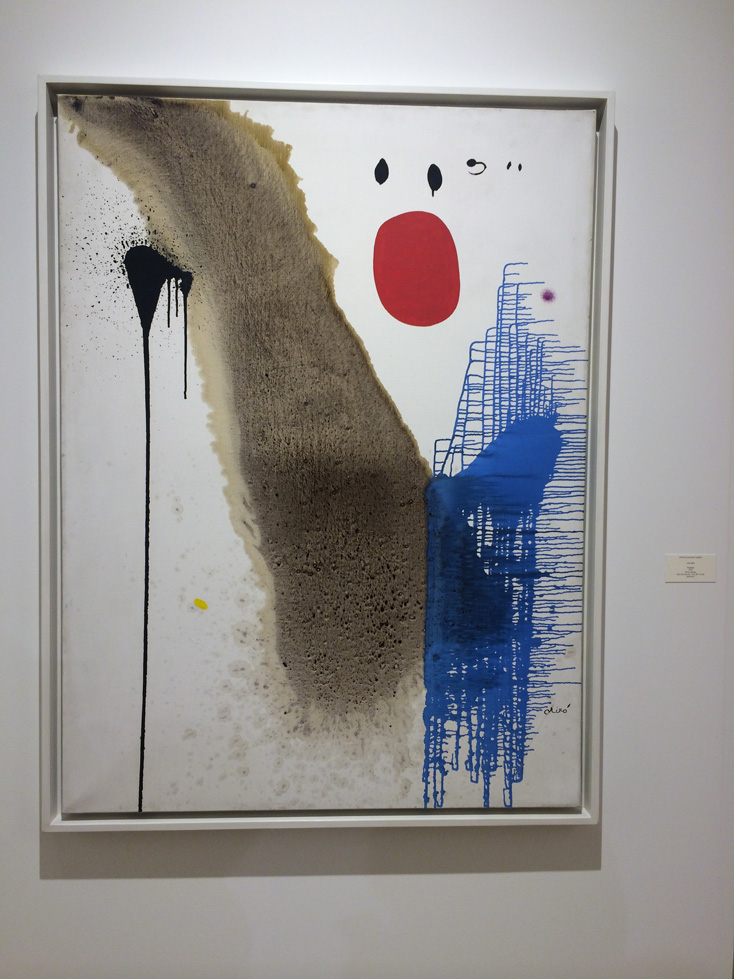
Fascinating is the London gallery Bernard Jacobson, which has probably one of the most successful set-up: Sam Francis and Calder perfectly evoke the “Bonheur de Vivre”, along with Mirò (among the main protagonists of the 2016 edition), Matisse and the American artist Motherwell.

HALL 2.1
On the second level, it is the internationality that made the protagonist. Contemporary artists from different origin investigate their culture, resulting in social themes and current issues. Similarly, Marc Spiegler, global director of the fair, has introduced the edition of 2016 with this words: “The show takes place within a much more dynamic moment than last year’s. There are political elections and major referendums coming at us, mass migration within Europe and economic uncertainties. My experience tells me that these kinds of times—these interesting kinds of times—generate a much stronger type of art.”
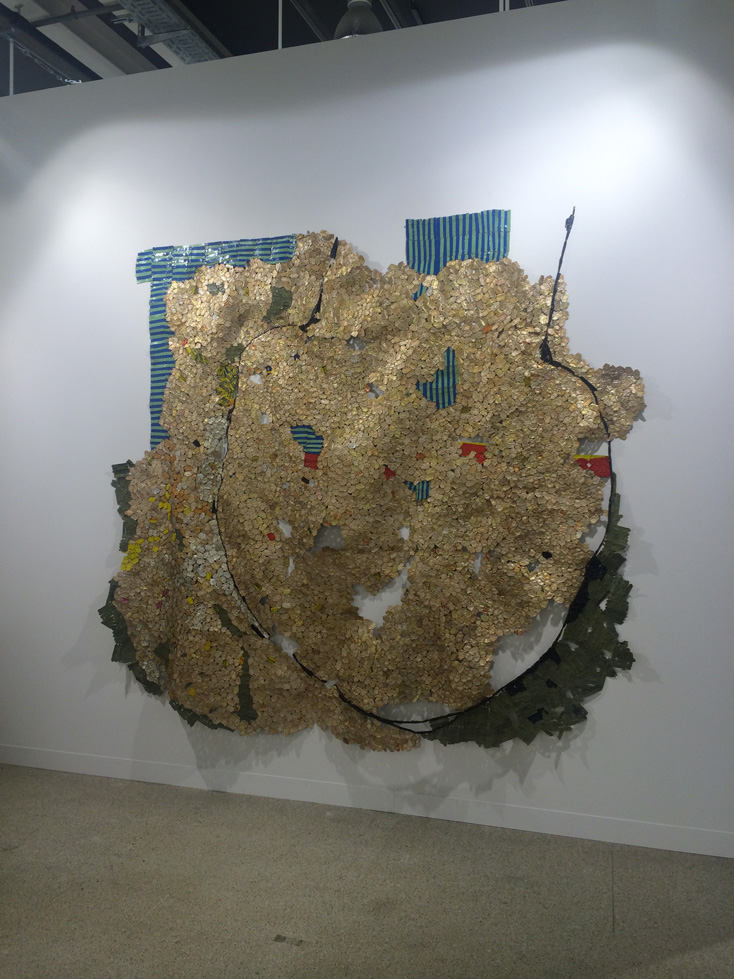
Jack Shainmand Gallery (New York, Kinderhook), new entry at Art Basel, presents a work of El Anatusi, Ghanaian artist, who uses recycled materials to create intricate works of large dimensions, turning the leaves of recycled metals into wall mosaics .
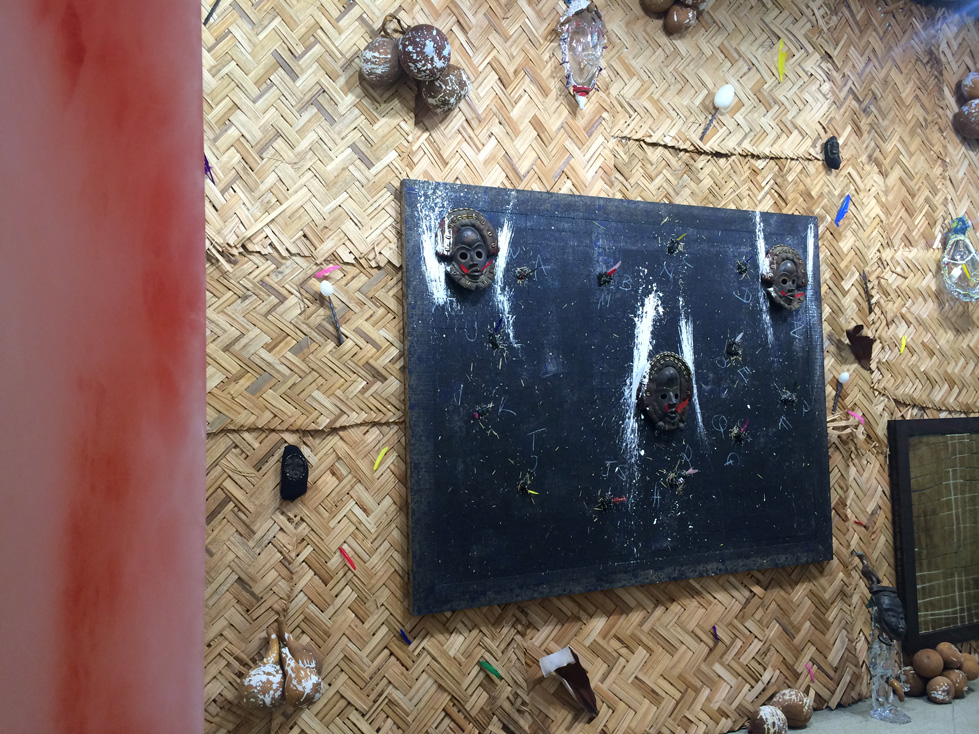
Galleria Continua also presents a heterogeneous mix of cultures: again, the protagonist is the Cameroonian Pascal Marthine Tayou, who last year dominated the Unlimited section with his Plastic Tree. The Repair by Kader Attia, French of Algerian origin, is powerful: a work that represents the linguistic difficulties of minorities in the Arab world. Between the two dominant artworks, in the corner, stands the work by the Indian Kapoor and the Greek Kounellis.
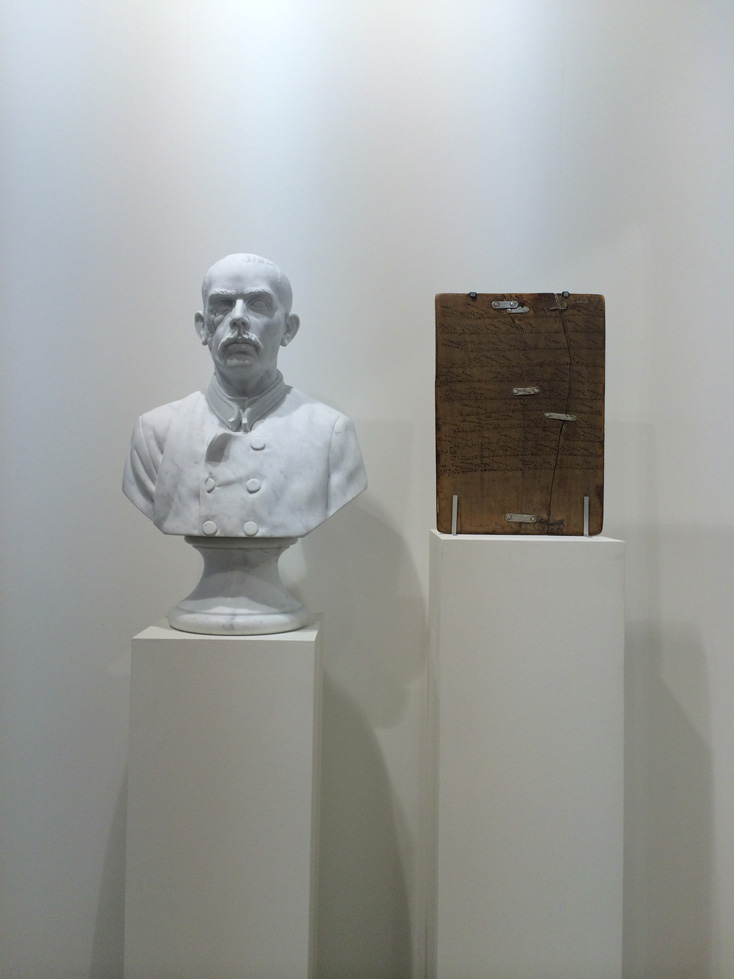
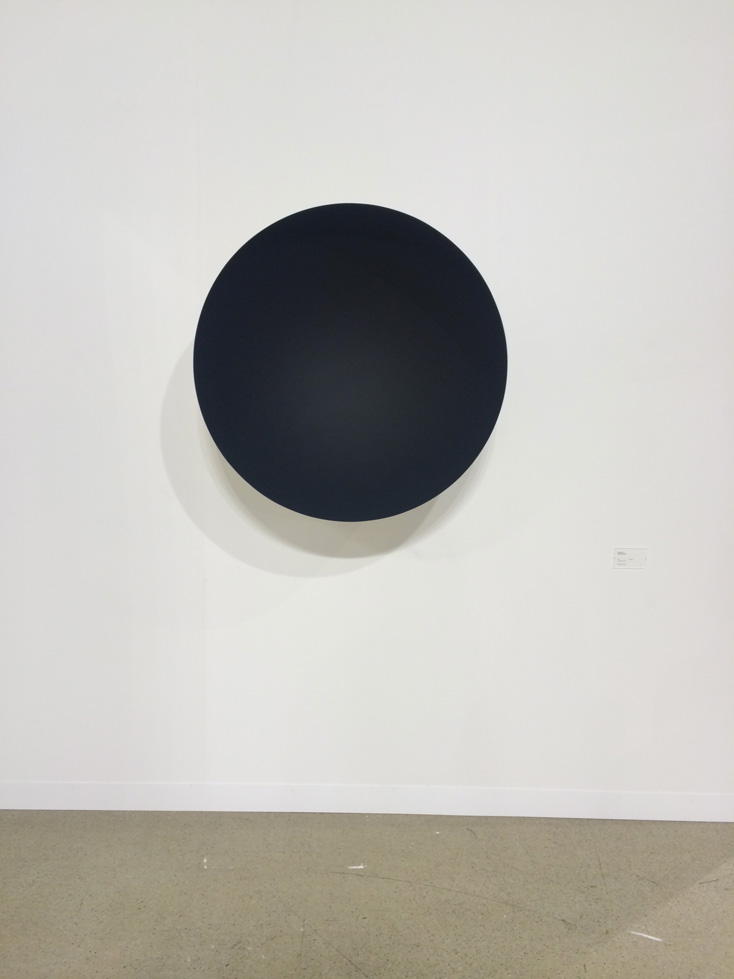
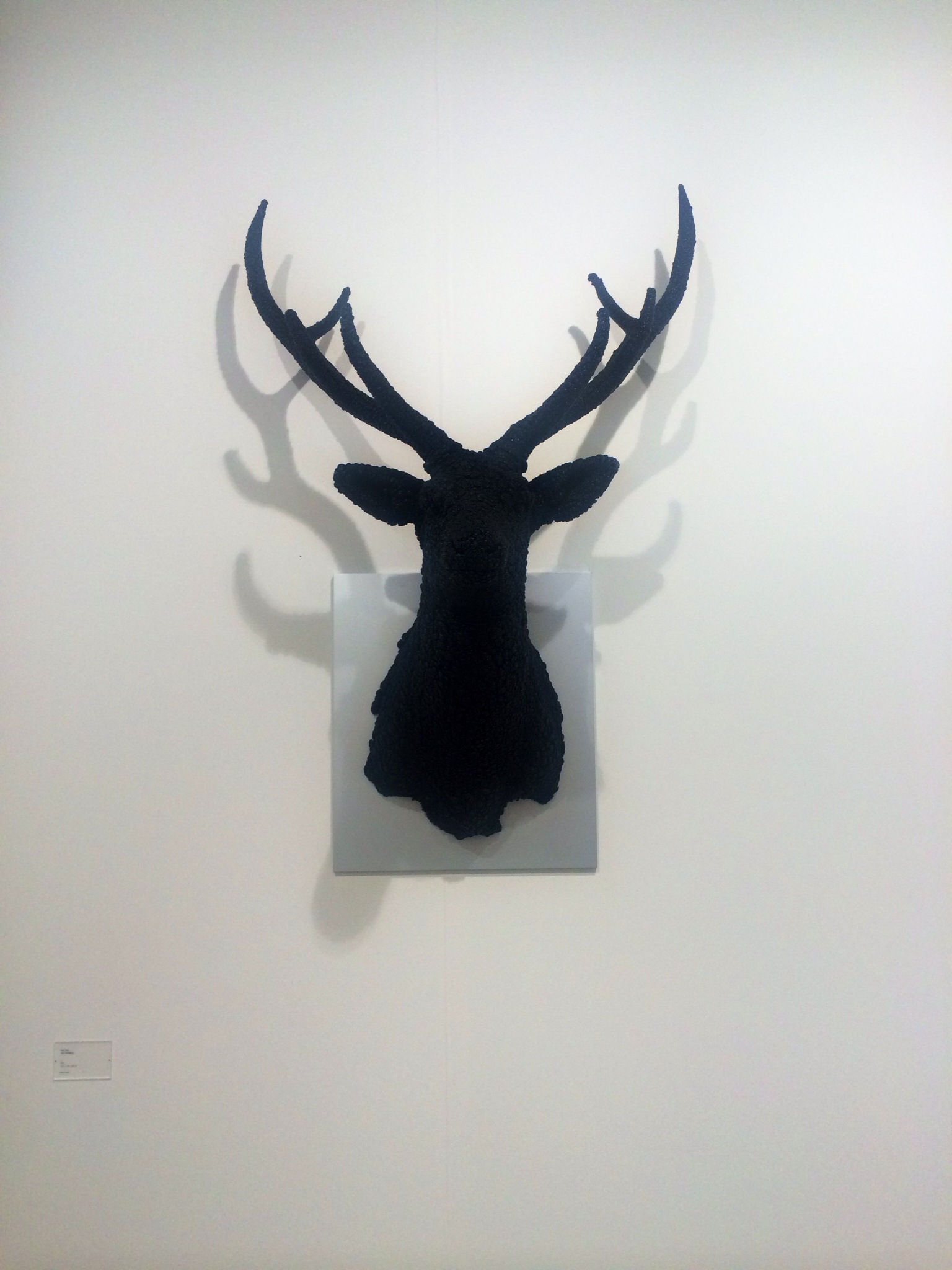
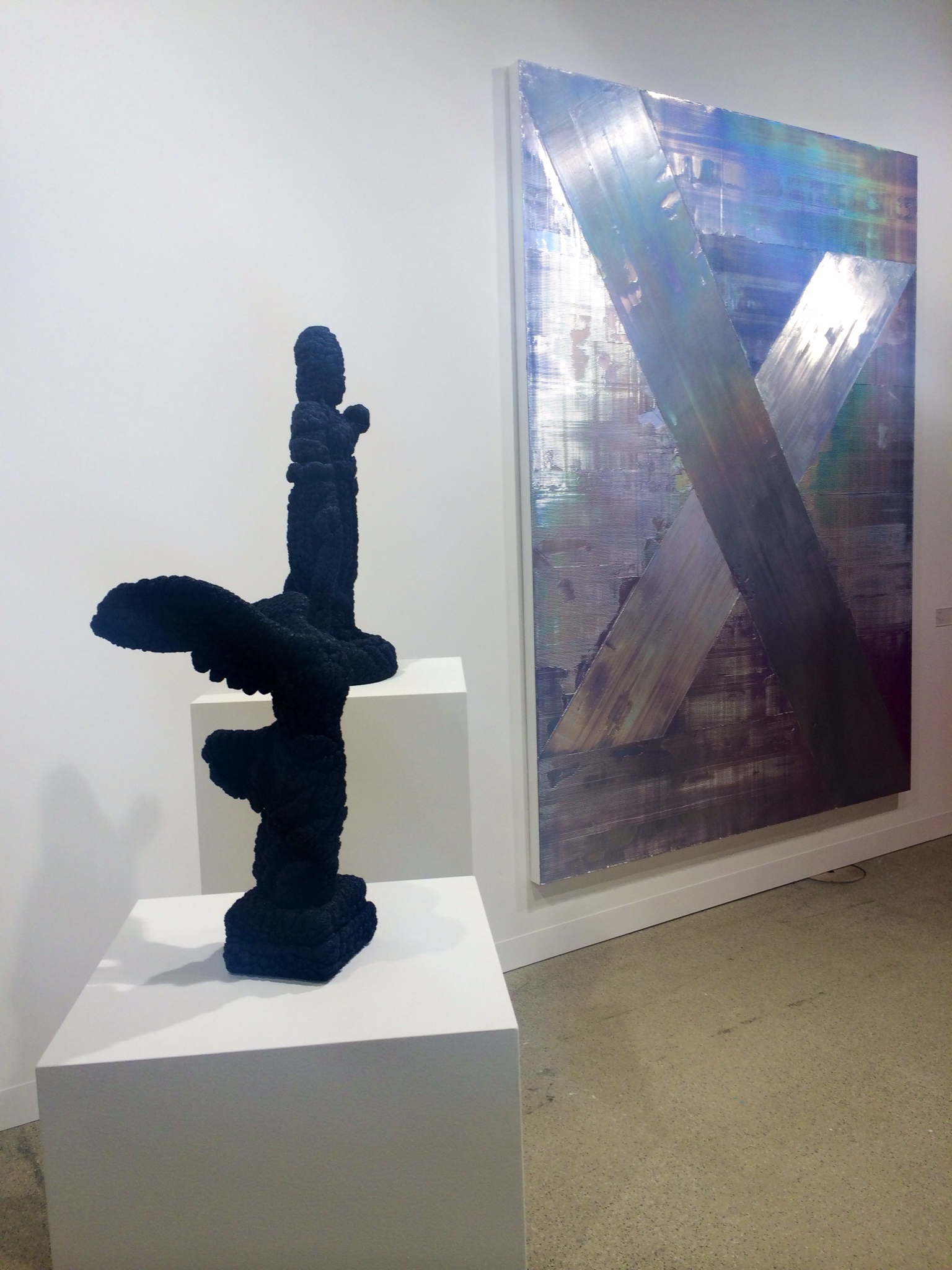
Kapoor, who can be also found at SCAI, Japanese gallery of minimal and fine atmosphere, which again gives way to black and white as the theme for the set-up. Notable is the sculpture series Villus by Kohei Nawa, with a tribute to the Nike of Samothrace.
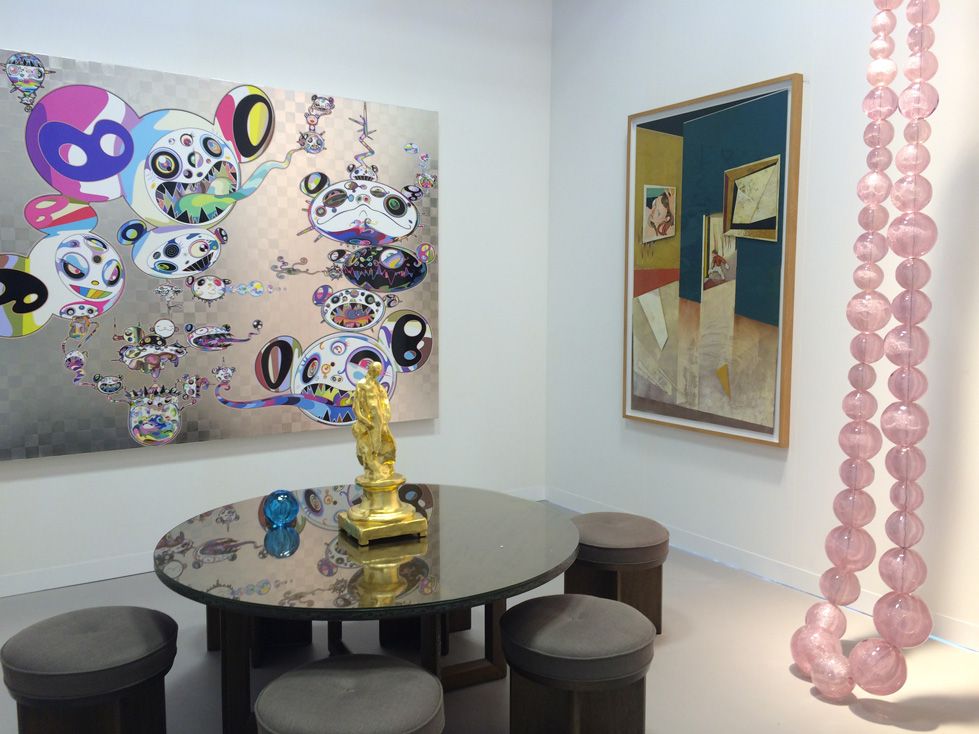
Usual position for Perrotin, M23, which has never disappointed the public. Developed on three levels, also in this edition the setting alludes to a fantastic dimension, sometimes metaphysical, between the cartoons by Japanese artist Murakami, zebras by Paola Pivi and pearl necklaces in giant format by Othoniel. The booth stands out and generously presents works in quantity and quality.
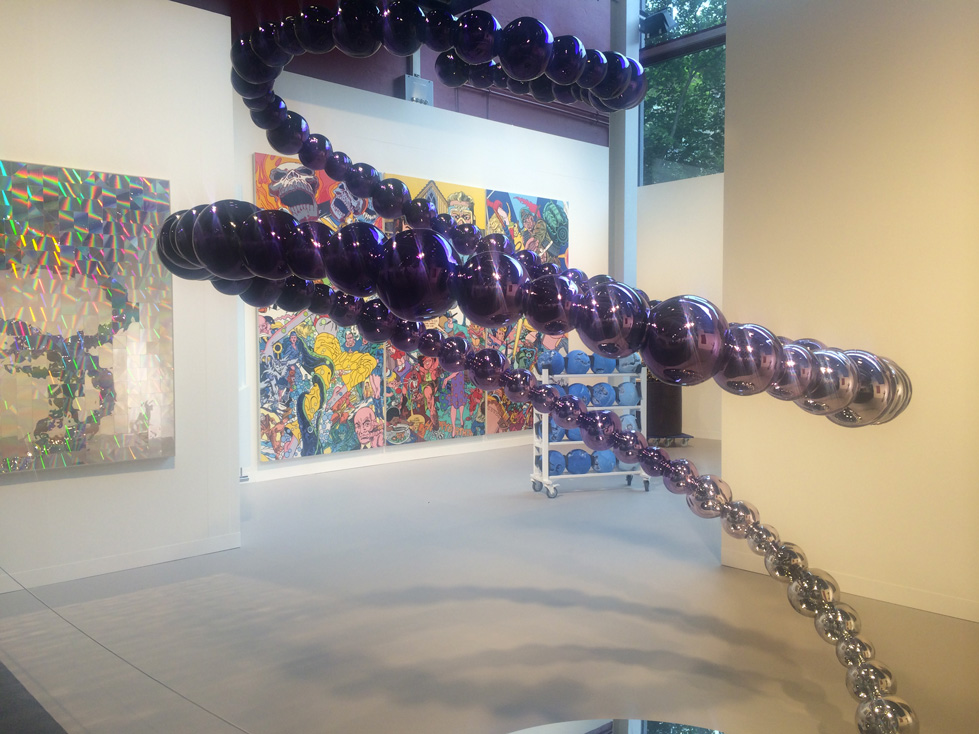
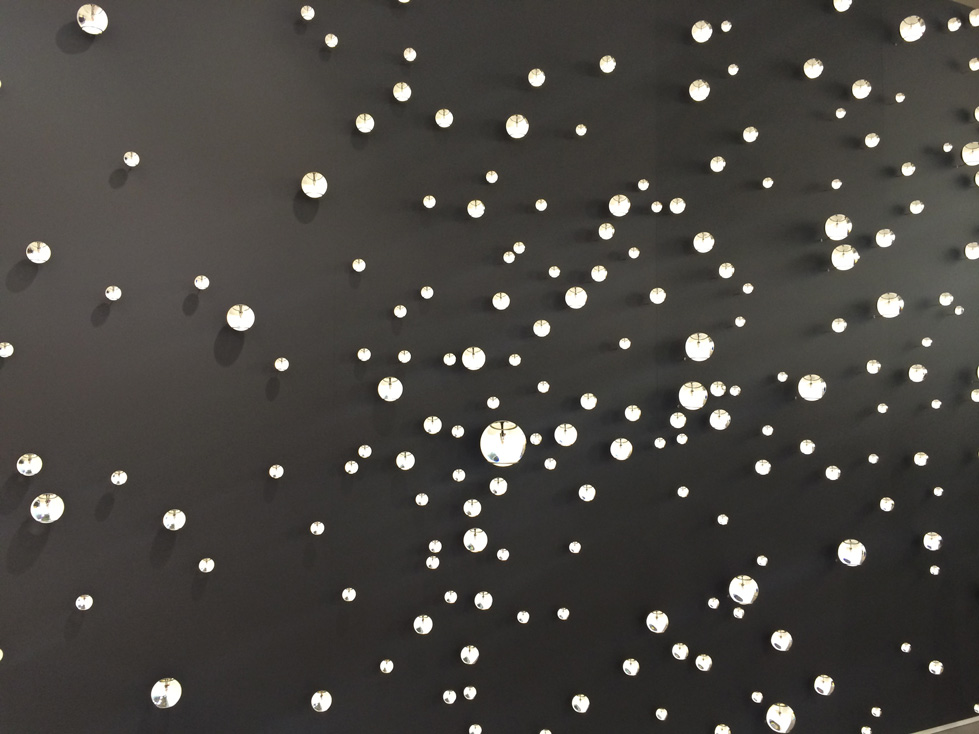
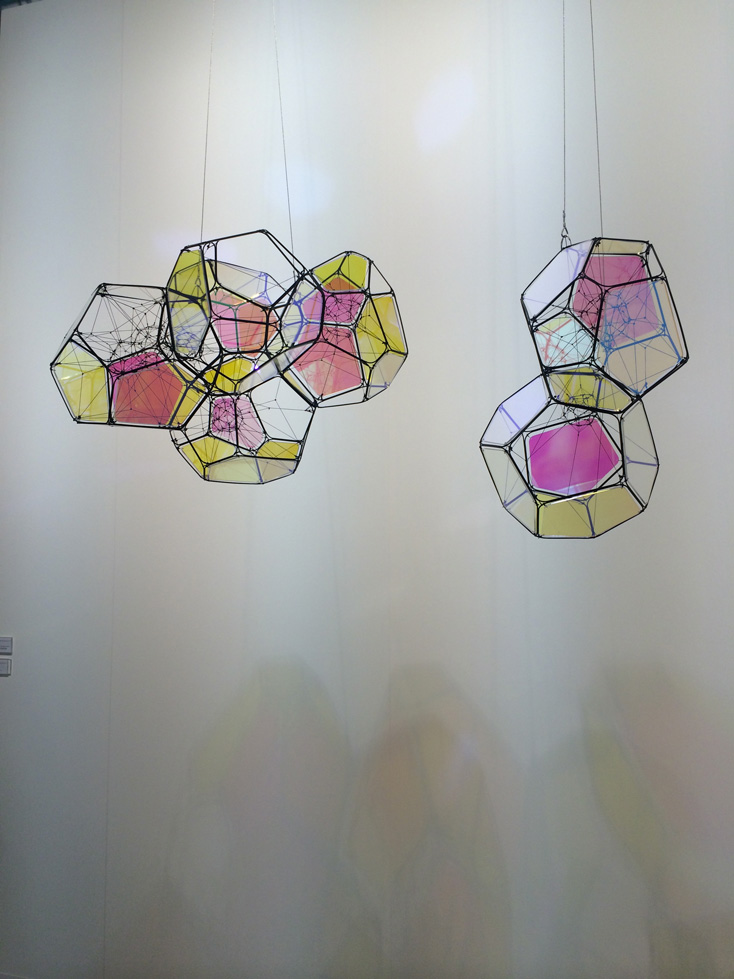
The last gallery not to be missed is Tanya Bonakdar: a mix of floating sculptures and installations. Particularly interesting are the colorful sculpture hanging from the ceiling by Tomas Saraceno, artist, architect and Argentine performer, as well as the enriched black wall with 329 Crystal balls, Cristal Gaze, created by Olafur Eliasson.
Although Basel has welcomed us under heavy rain and untypical temperatures for this season, this neither stop the Artrust team, nor the enthusiasm of art lovers and international collectors. A distinguishable edition from those of the recent years – for some already analyzed aspects as mentioned above – but with the same common denominator: the passion for art but also the growth of a market that seems to adapt to any situation and change, revealing the power of artistic media as a new safe asset for investors and collectors.